


What Are Sculpting Leggings and How Do They Work?
Sculpting tights are training tights that shape the lines of the body through the construction itself: the pattern, the placement of the seams, the panels and the material. They do not press the body into something else. They bring out the proportions with precision, while the garment still works fully in training. The question of what sculpting tights actually are is therefore mostly a question of craft: fit, and how the fabric meets the body in movement.
The difference from ordinary tights is rarely visible on the hanger. You notice it going from a walk to a strength session, when the waistband holds without digging in, and when the silhouette feels worked through rather than left to chance.

What are sculpting tights in practice?
In practice the tights hold, frame and follow the body with more precision than a standard pair of leggings. The difference lies in details you do not see at first, but feel on the body.
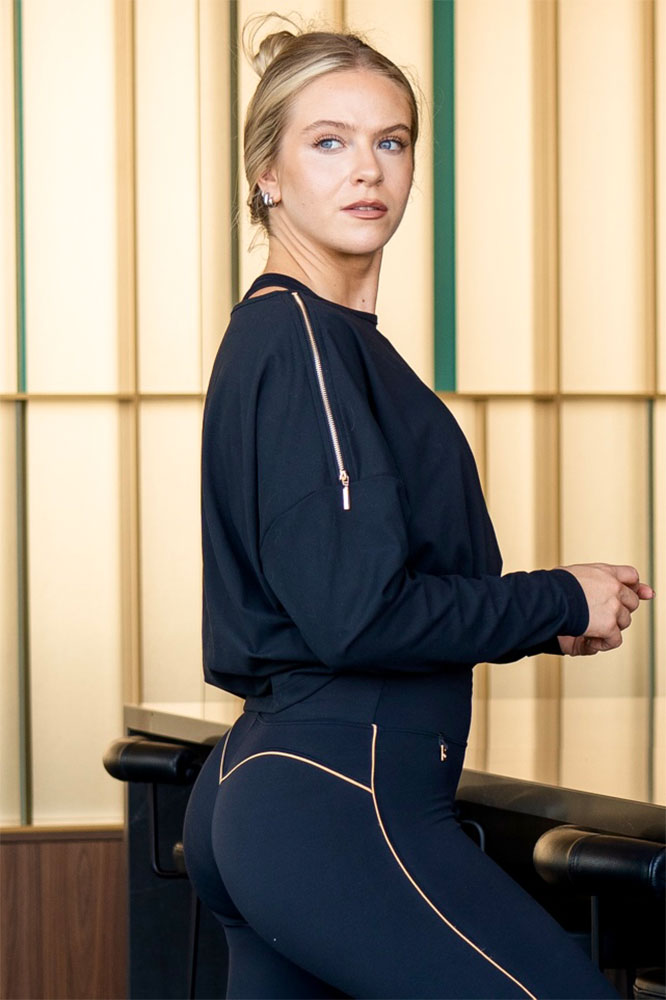
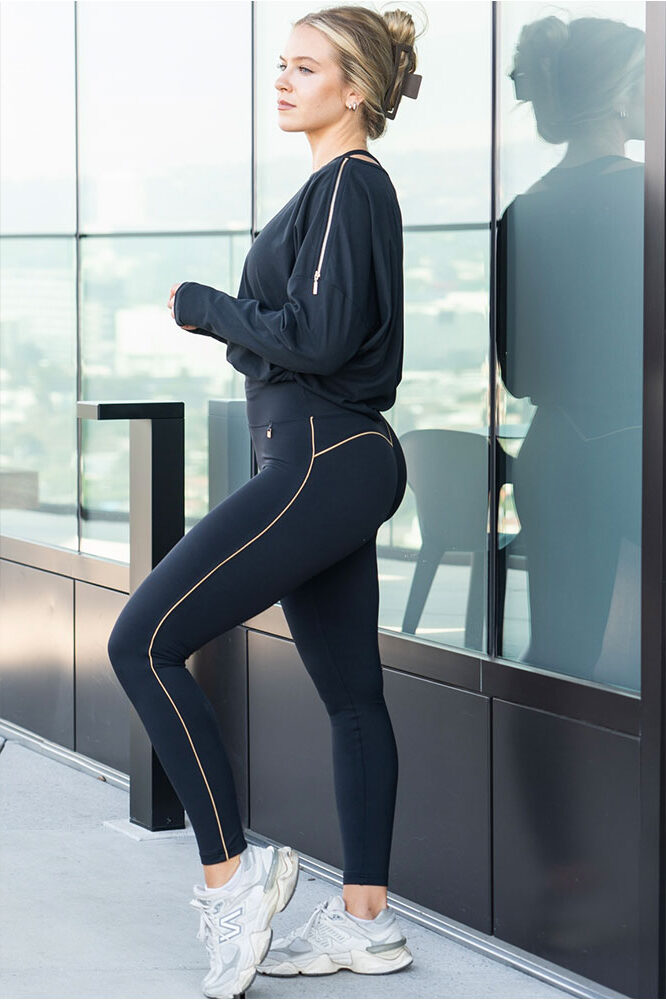
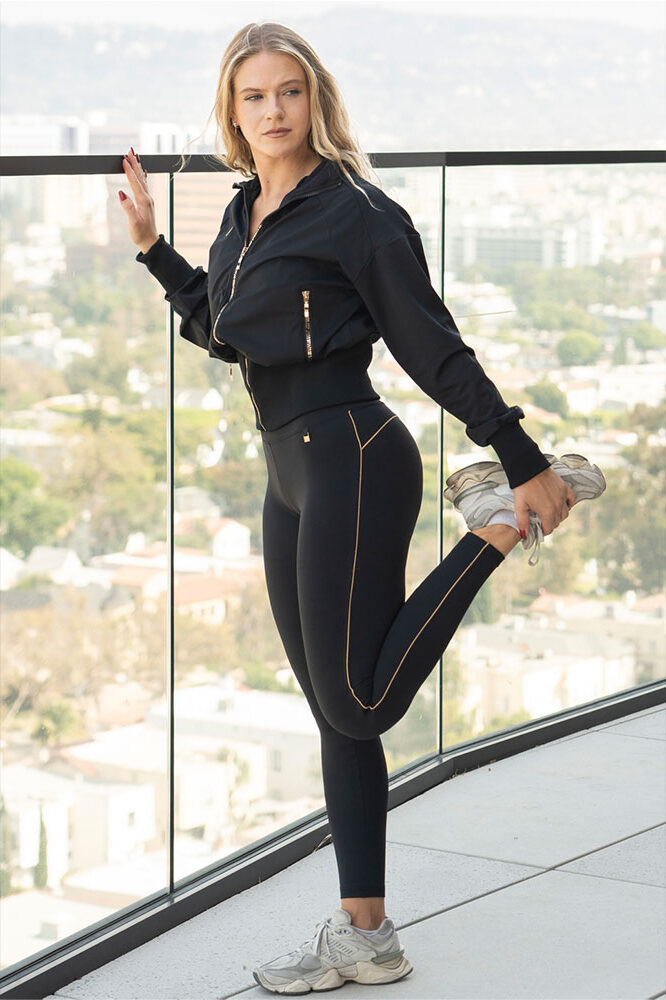
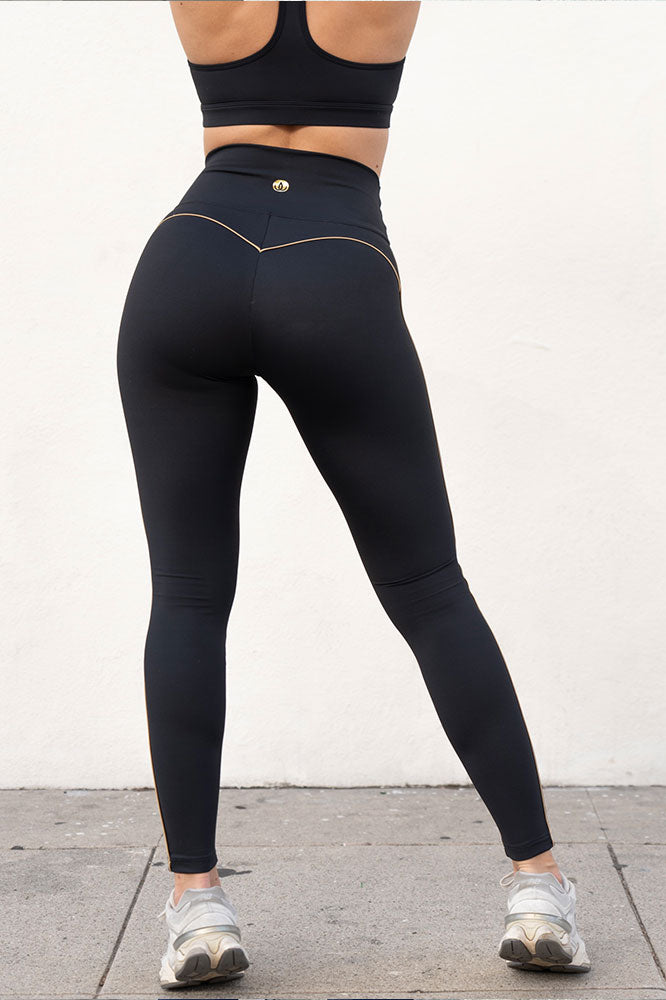
A high waist is central. It creates a clear line across the torso and gives steady support without sliding. Shaped side panels mark the waist and contribute to a balanced silhouette, and seams at the back shape the lines of the seat rounder and more defined. When the lines run high over the hip, the visual line of the leg is lengthened rather than cut. All of this is construction at work, which is why a pair of sculpting training tights feels considered even when the expression is pared back.
The difference between ordinary tights and sculpting tights
Ordinary tights can be soft and comfortable without shaping. They are often built more neutrally, with the focus on stretch and a simple fit. That works for many people, but the garment is not actively working with the proportions.
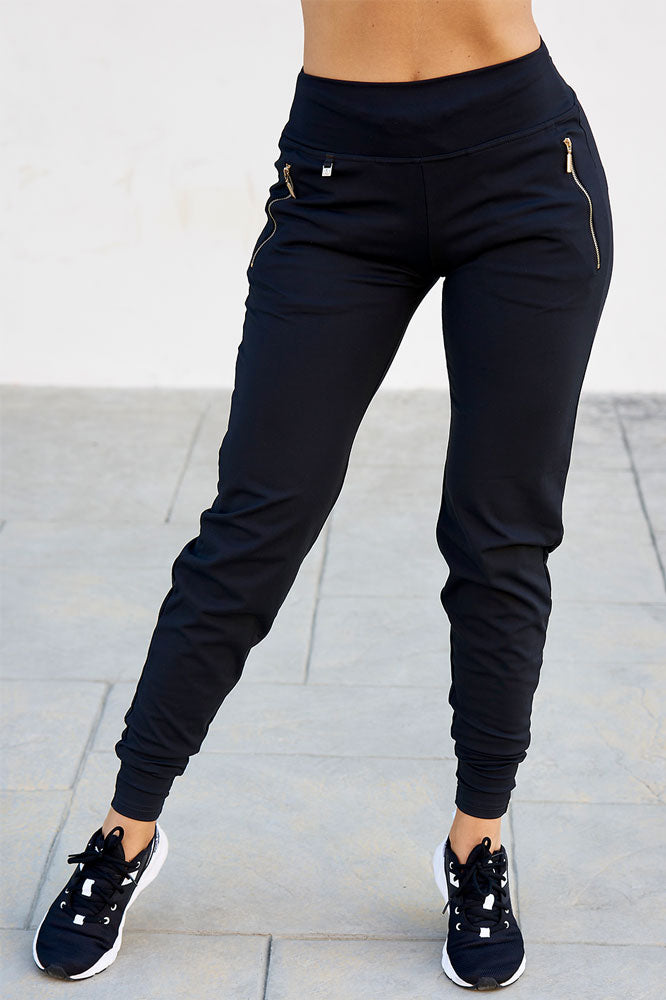
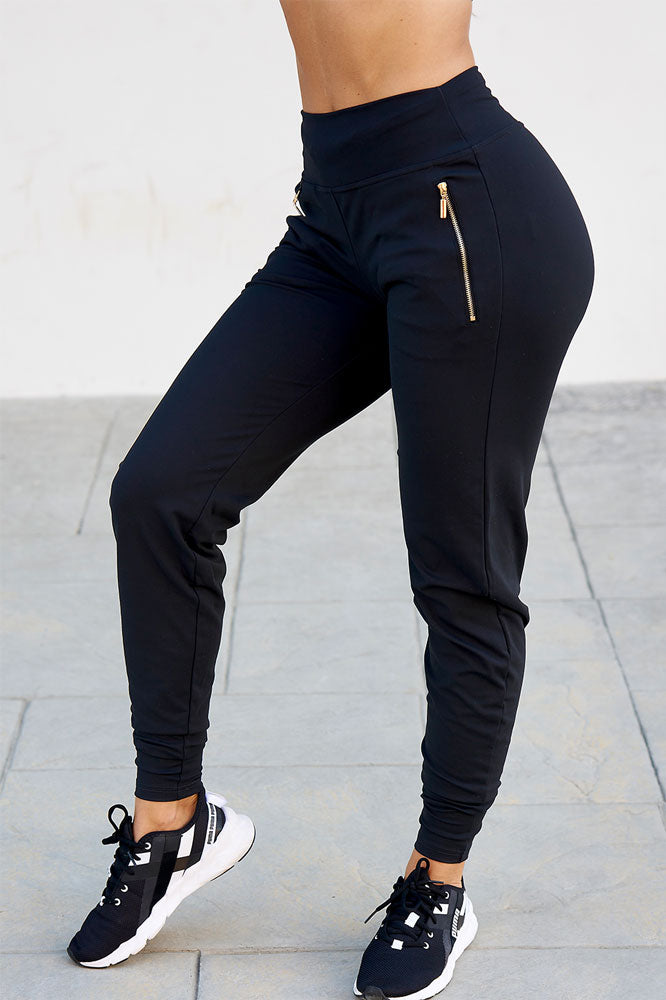
Sculpting tights have a clearer structure. The material tends to be slightly firmer while still yielding, the waistband more worked through, and the seams placed with intent. The result is that the tights stay in place better and give a more defined fit through hip, waist and seat. If you prefer an almost invisible feeling against the body, a model like this can register as more present, but for many that is exactly the point: the garment holds its shape all day.
The role of the seams in a shaping design
Seams are easy to underestimate in activewear, but in sculpting tights they are one of the most important parts of the construction. The seam governs how the fabric meets the body, how the panels fall and how the silhouette reads in movement. At the back, curved or angled seams often frame the seat; at the sides, panels mark the waist and create length. Done with precision, the result is both athletic and clean. Placed wrong, the seams do the opposite: they break lines, create folds and shorten the silhouette.
Material that shapes without feeling stiff
The material needs enough firmness to hold its shape and enough elasticity to follow the body as you bend, lift, walk and sit. Too soft feels pleasant for the first minute and then loses support. Too stiff limits the movement. The balance lies in a dense knit, good recovery in the fibres and a smooth surface that holds up over time. This is where the difference in quality shows most clearly: a premium fabric keeps its fit wash after wash, which matters when the whole construction depends on lines and panels sitting exactly where they were intended. Many people also choose tights in recycled material to combine sustainability with a long life.

What should sculpting tights feel like on the body?
Good sculpting tights give a sense of control. The waistband sits steady without rolling down. The fabric follows the body without turning transparent in movement. The seat is shaped by the construction, so you are not pulling the garment up all the time. Experienced wearers often describe it as the tights holding both the outfit and the body together, through precise fit rather than hard compression. It is also why the same pair works equally well for training, travel, walking and everyday wear: when a garment sits right, it asks for less attention during the day.
Who are sculpting tights for?
They suit you in particular if you are exacting about how activewear sits, not only how it looks in a photo. If you are bothered by tights that slide down, dig in the wrong places or lose their shape during the day, there is good reason to choose a more considered construction.
They also suit you if you want activewear to work as part of the whole wardrobe. A well made pair of sculpting tights carries just as naturally with a knitted jumper, a training jacket or an oversized shirt as it does at the gym. The model does not have to be tight to work. The best versions are often clean in expression and all the more precise in how they are built.
How to judge whether a pair holds a high standard
Look at the lines first. The seam placement should feel deliberate; if side panels, back piece and waistband look like separate decisions with no connection, the fit is rarely worked through. Then examine the waistband: a wide, high band usually gives better support and a cleaner drape, but it has to be yielding enough not to create pressure when you sit for a long time. Finally, feel the density of the material: a premium fabric is substantial without becoming heavy, recovers after stretch and keeps its surface over time. Wallderinska works with exactly that kind of shaping design, where seams, waistband and panels start from female forms and athletic precision rather than passing trends.

Common misconceptions about sculpting tights
One common misconception is that sculpting means extreme compression. It does not; the aim is a more considered fit, not harder pressure on the body. Another is that sculpting is only about the seat. In reality the whole decides at least as much: the height of the waist, the line of the leg, the transition at the hip and how the garment sits in movement. And the idea that this type of tights only suits certain body shapes rarely holds; a well balanced design starts from proportion, support and give.
Common questions about sculpting tights
What are sculpting tights?
Training tights built to shape the lines of the body through pattern, seam placement, panels and material, with a high waist and steady support that does not limit movement.
Are sculpting tights the same as compression tights?
Not quite. Sculpting is about shaping fit and line; compression is about graduated pressure. We go through the differences in compression tights or ordinary tights.
Do sculpting tights suit all body shapes?
Yes, a well balanced construction rests on proportion and give, and works broadly for that reason. What matters is that waistband and panels are cut with thought.
Can you wear sculpting tights every day?
Yes. Clean models work just as well under knitwear and a shirt as at the gym, which makes them useful far beyond training.
When you are working out what sculpting tights actually are, it pays to think past the marketing words. Ask how they are sewn, how they sit in movement and whether the design really works with the body. When the construction is right, you notice it without the garment having to say much for itself. Anything but ordinary.

Leave a comment
This site is protected by hCaptcha and the hCaptcha Privacy Policy and Terms of Service apply.