


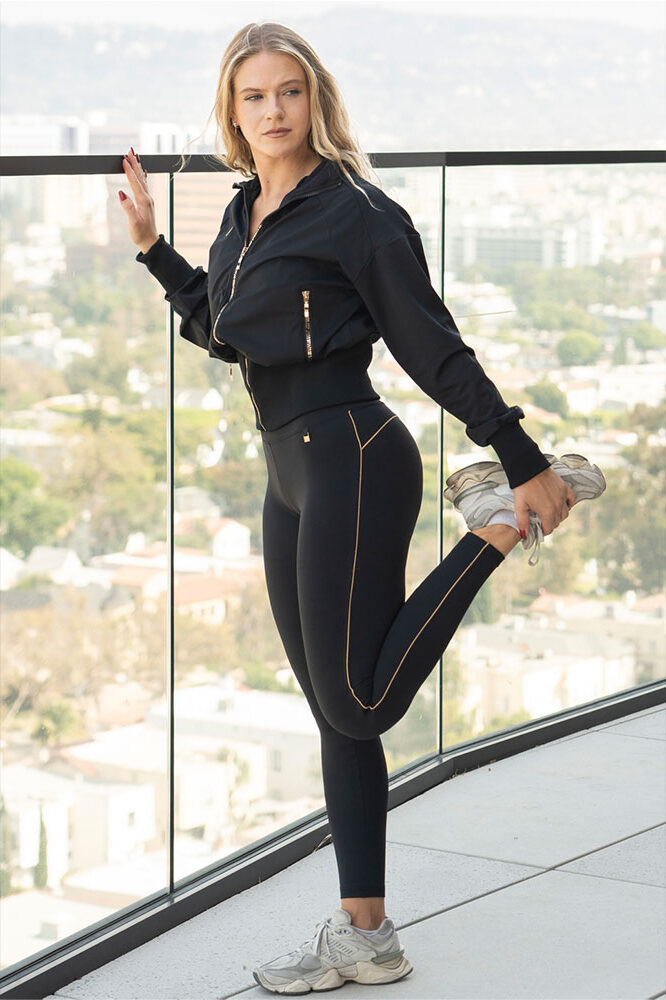
The best activewear for women 2026
When the leggings slide down in a squat, the seams chafe on the walk or the material loses its spring after a few washes, it becomes clear what separates an ordinary training piece from a considered one. For anyone looking for the best activewear for women, the choice is rarely about colour or trend. It is about how the piece holds, shapes and moves, and whether it keeps feeling right long after the first session.
In the premium segment the differences are bigger than they look. Two pairs of leggings can feel the same on the hanger but behave completely differently in movement. A set can look clean in a photo but lose both support and proportion when the body works. That is why the assessment starts with the construction, not the campaign image.

What decides the best activewear for women
A few qualities recur in pieces that work over time. It starts with the fit: the piece should sit close to the body without straining in the wrong place or needing adjustment during the session. The material's recovery weighs just as heavily, that is, how well the fabric keeps its shape after use, washing and load. And design with function: the best options handle both performance and an expression that holds beyond the gym. For many women the last point is decisive, because activewear today is worn on the way to work, on trips, on walks and in an everyday life where the pieces have to perform in more settings than one.
Fit before everything
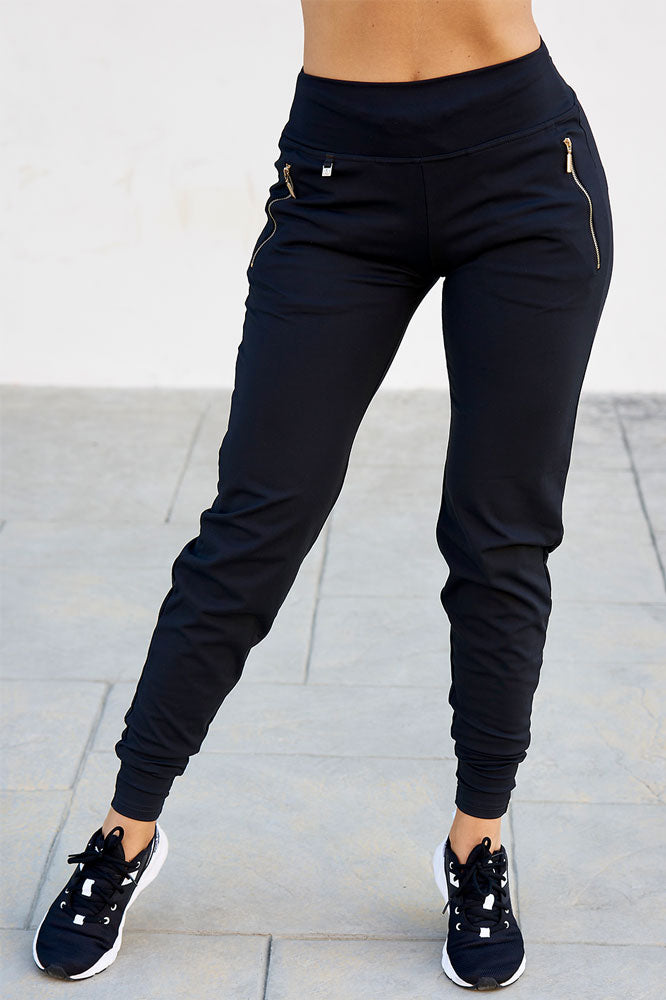
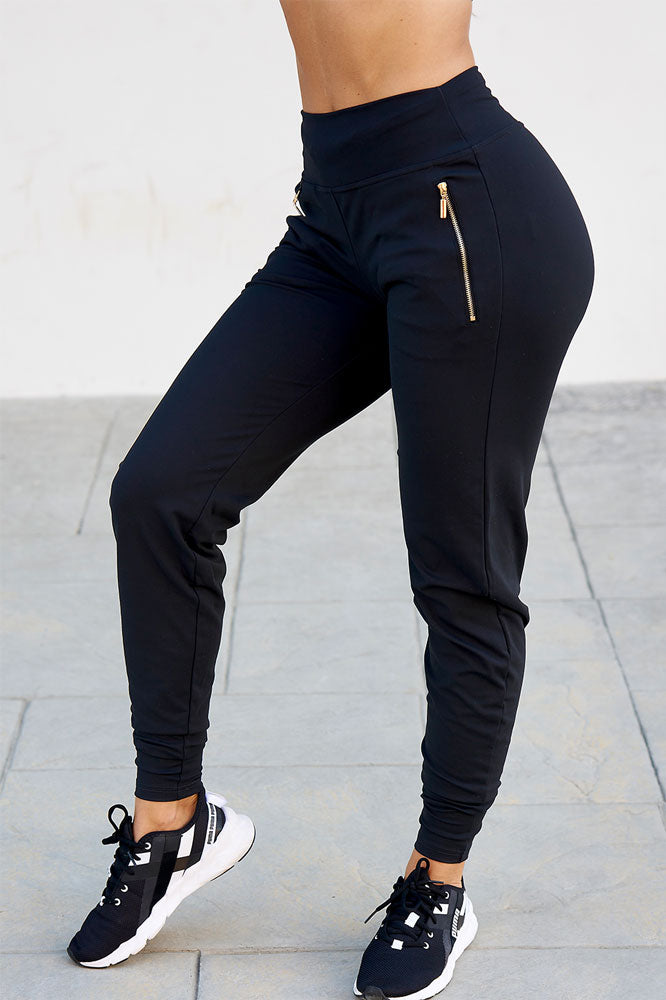
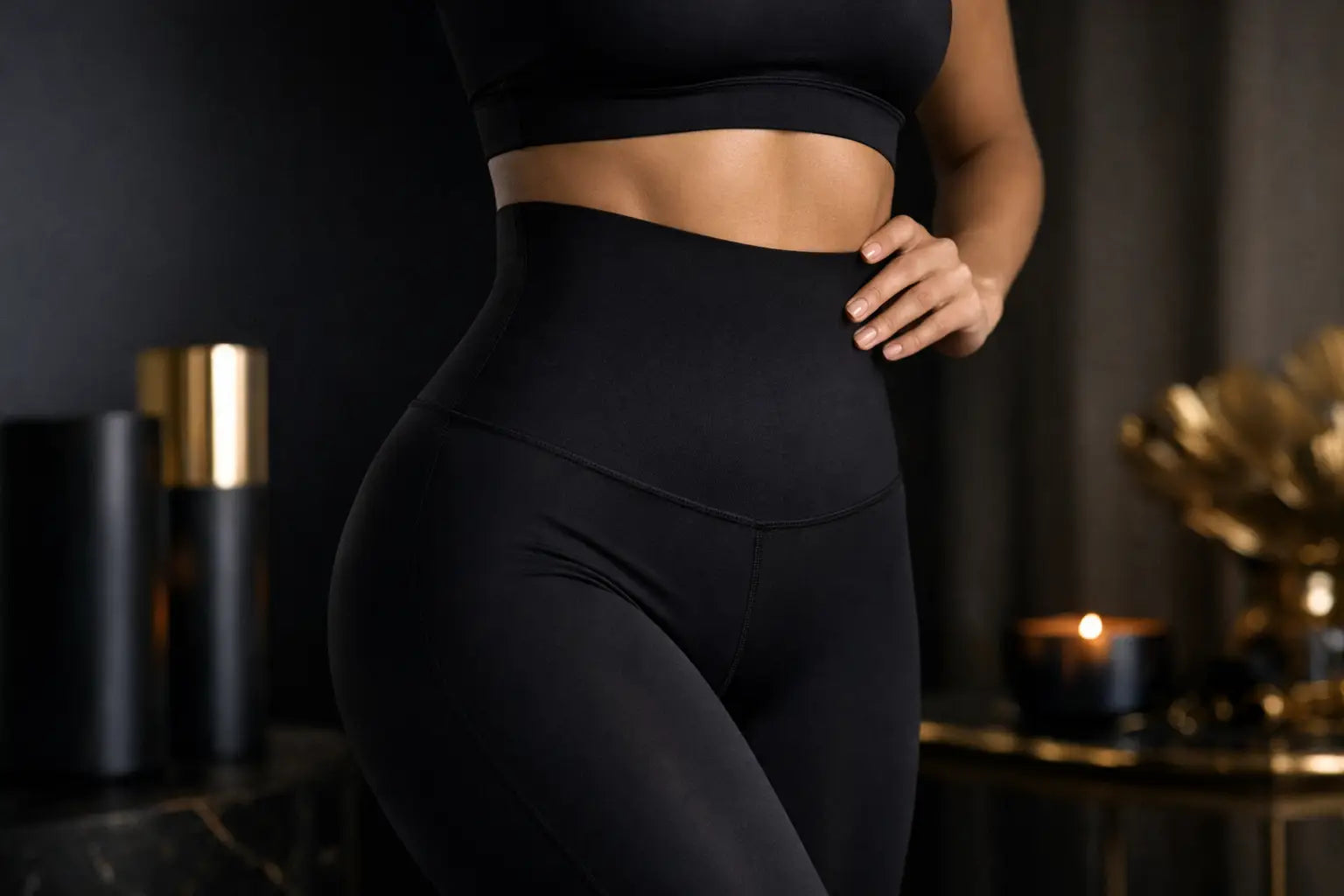
If a piece fits wrong, neither colour, price nor brand matters much. The most appreciated fit gives support without feeling hard. A high waist is a clear example: cut correctly, it holds in without folding, rolling or creating pressure over the stomach when you sit, walk or train.
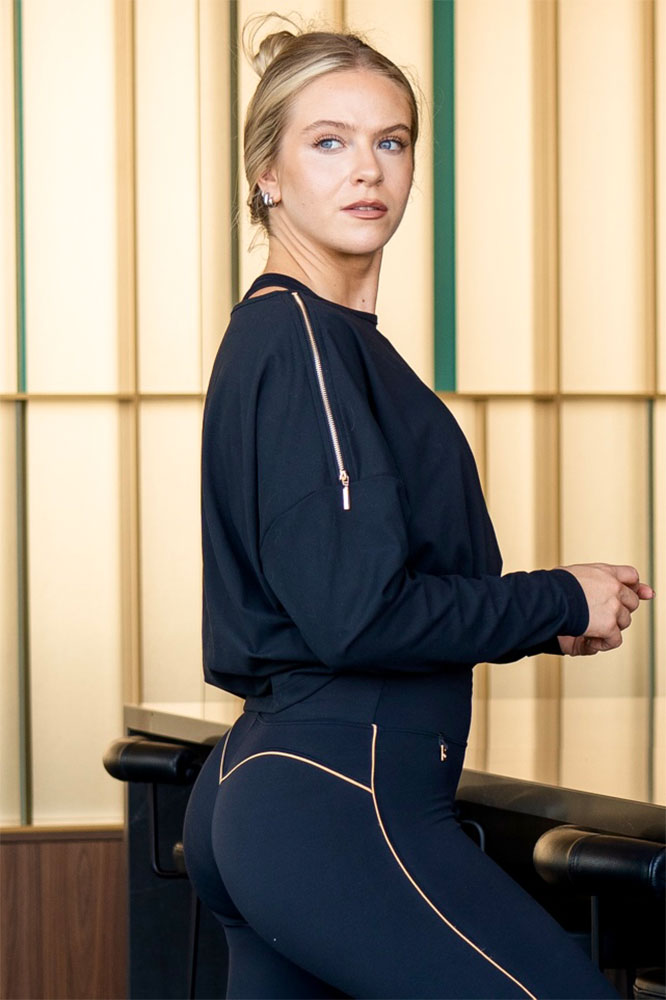
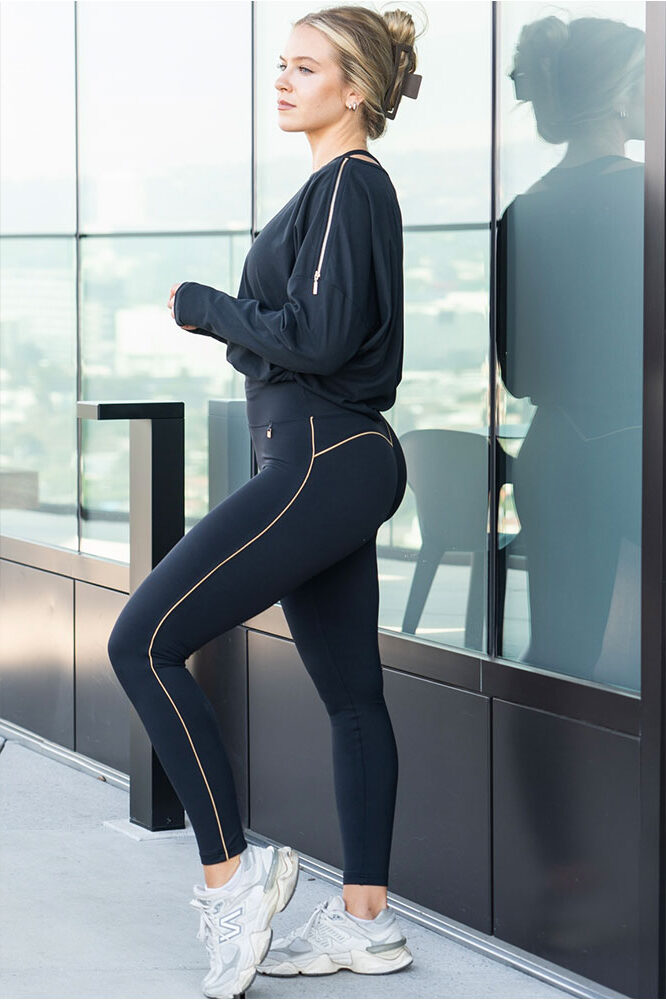
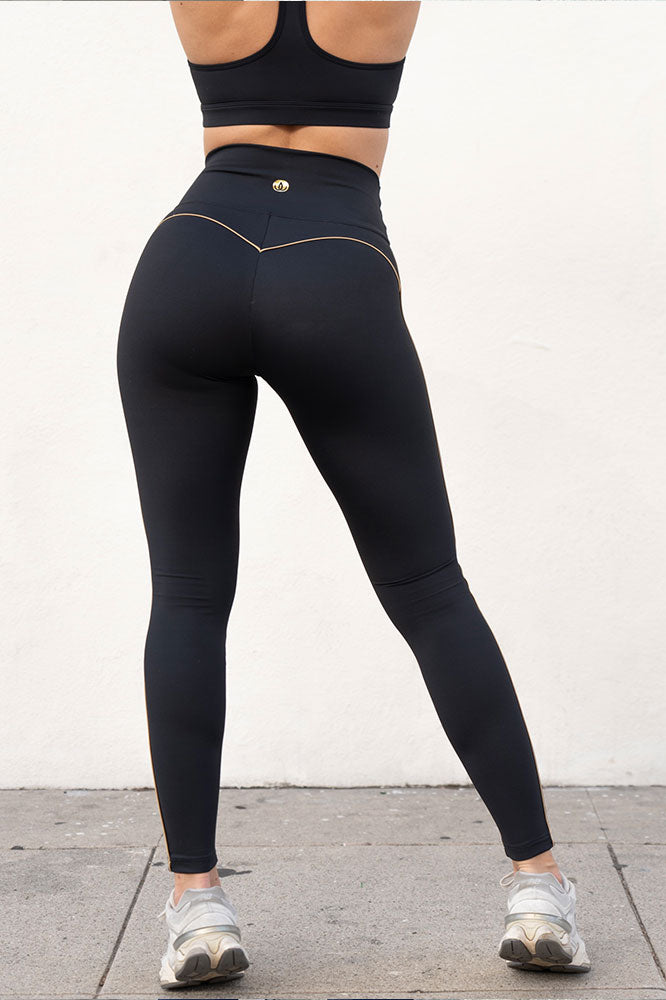
Here pattern construction really matters. Small differences in the line work affect how the legs are perceived and how the waist is marked. In considered sculpting leggings the lines run high over the hip to lengthen the leg, while seams at the back shape a rounder silhouette. If you compare premium options, look closely at side panels, waistband construction and how the back piece is cut. That is where the difference shows between mass market and pieces developed with precision.
Material that keeps the shape
A piece should feel good both straight away and after months of use. Many appreciate a dense, slightly heavier quality because it gives a more holding impression, but the fabric must not become stiff. Freedom of movement has to remain, especially in pieces for strength training and long days. The best activewear often sits in the middle of that range: dense enough to keep its shape, flexible enough to feel natural. Recycled material belongs to the premium segment today, but is not enough on its own. If the construction does not hold, the fibre matters less. Durable design is as much about lifespan as about origin.
The best activewear for women in different settings
There is no single piece that is best for everyone. It depends on how you train and how much of the wardrobe should work for both activity and everyday life.
For gym training, stability matters most: high-waist leggings, shaped panels and clear recovery stay in place through deadlifts and squats without adjustment. For walks, travel and long days, comfort weighs more; then a set or a training jacket with a clean silhouette and flexible fabric is appreciated. For high-intensity training, breathability and moisture wicking come more clearly into play, but it is how material, seams and construction work together that decides, not a single technical specification.

Why design matters more than many think
In training fashion, function is often talked about as if it were separate from aesthetics. In practice they are connected. A considered silhouette affects not only the look but also how the piece sits and holds in movement. Scandinavian design has a strength here: the clean expression lets the construction speak, and when the details are fewer, the placement of every seam becomes all the more important. A pair of leggings with sculpting lines and a dense quality wears differently from a standard piece. The point is not to dress up training. It is to choose pieces precise enough to work everywhere the body moves.
How to compare premium with standard
The price difference between premium and standard can be clear, but the value rarely sits in the logo. It sits in how the piece performs after repeated use. A cheaper piece can feel like a reasonable buy until the waist gives way, the surface pills or the fit changes after washing. When you compare: look at how the seams are run, how much structure the fabric has and whether the construction seems made for the body or just adapted to it. Also read how other women describe the use; recurring reviews about a stable waist, comfort over long days and fit over time say more than general phrases.
Frequently asked questions about activewear for women
What is the best activewear for women in 2026?
The kind that combines a considered fit, a material with good recovery and a clean design that works for both training and everyday life. Start with a high waist, shaped panels and a dense quality.
How do I choose the right size?
Work from the construction, not just the feel at first try. A fabric with a holding structure can feel tighter at first but fit better in use. See our guide to how training leggings should fit.
Is more expensive activewear always better?
No. The value sits in the construction, fabric quality and durability, not in the price itself. But in the premium segment the difference often shows in fit and lifespan.
So choose activewear that works with the body, not against it. When fit, durable design and sculpting construction meet, the piece becomes more than something you train in. It becomes part of how you move through the day. Anything but ordinary.

Leave a comment
This site is protected by hCaptcha and the hCaptcha Privacy Policy and Terms of Service apply.