


A Guide to Sculpting Seams in Leggings
Two pairs of leggings in almost the same fabric can feel completely different on the body. The same compression, the same waist height, the same stretch, and yet one sits clean and the other flat. The difference rarely lies in the material. It lies in the seams.
A guide to sculpting seams therefore begins in the pattern construction, not in trends. Sculpting seams create a balance between silhouette, support and freedom of movement. Considered, they follow the body's lines and mark proportions. Misplaced, they do the opposite: break the leg line or create pressure where the body needs to give.

What sculpting seams do in practice
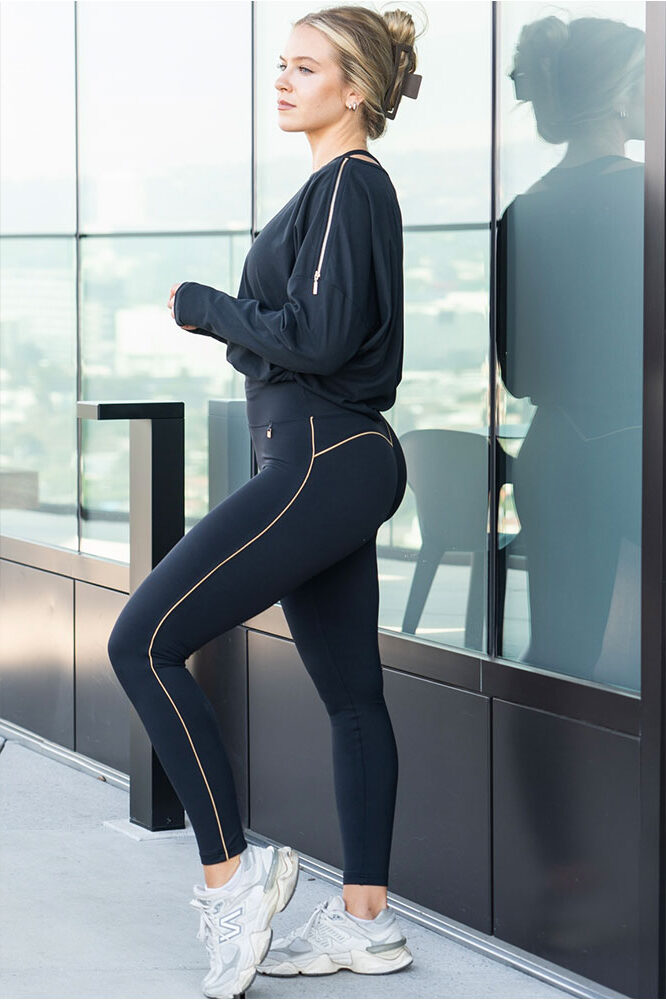
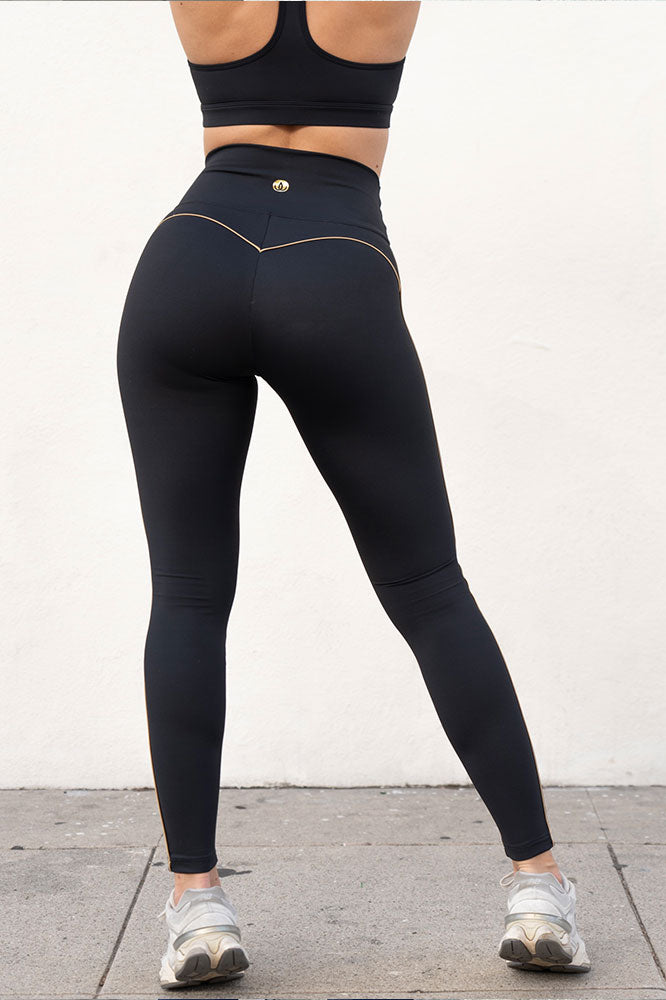
Sculpting is about how the construction leads the eye and supports the body. A seam along the leg can lengthen the expression, a curved seam at the back creates a rounder and more defined shape. It is not a promise of a certain body. It is precision in how the piece is drawn, cut and sewn.
That is why two seemingly similar pairs can feel so different. For women comparing premium pieces it is often decisive: a well-constructed pair holds its shape better, sits more stably in activity and feels more considered over time, not least when you move between gym, walk and everyday life without adjusting the fit.
How to read the design: leg, back, waist
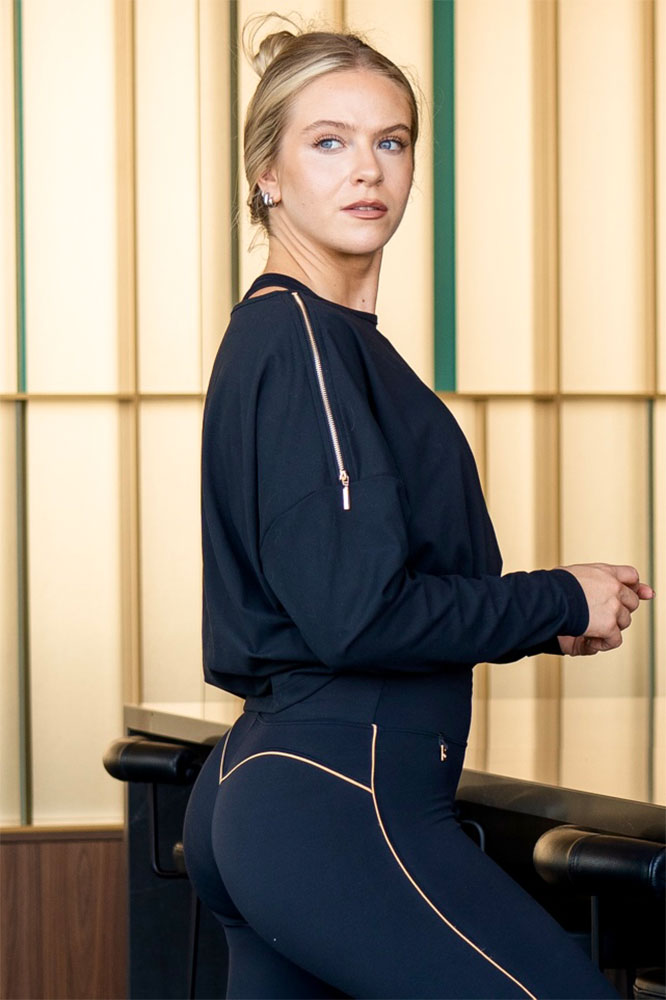
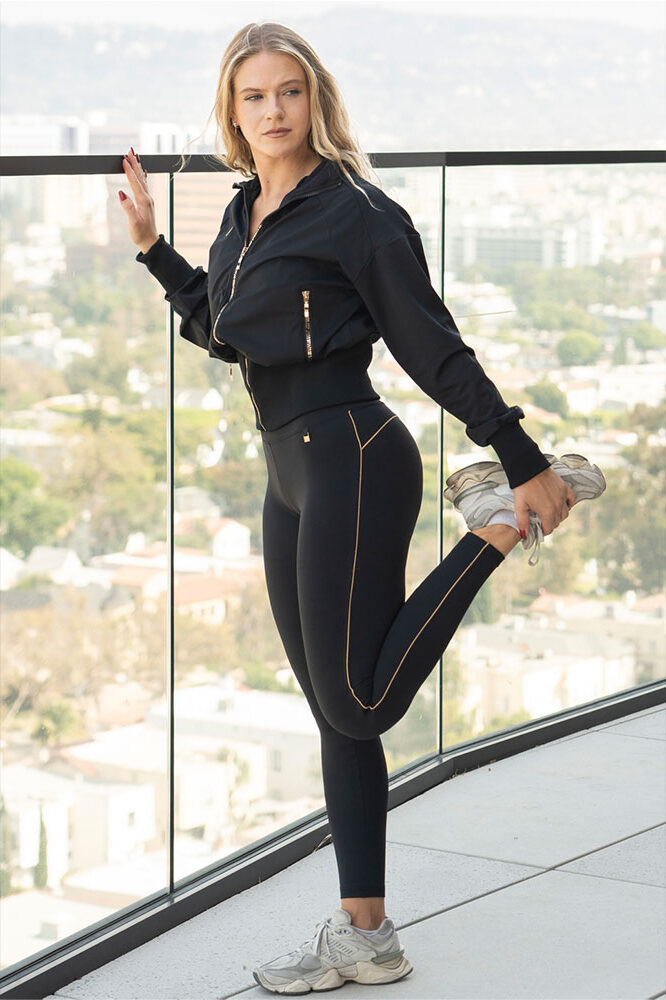
Start with the line over leg and hip. Seams high over the hip create a longer, cleaner expression and draw the eye upward instead of stopping at the thigh. If they sit low or straight across the widest part, the leg can read shorter instead.
Then go to the back. A softly shaped rear seam gives a rounder impression, especially with a material that holds its shape without going stiff. If the seams look hard or overly contrasting, the result becomes more graphic than sculpting. The waist is the last checkpoint: a high waistband should hold without rolling or cutting in, and side panels that taper towards the waist give a more defined expression. More on what shapes the stomach and waist is in which leggings shape the stomach best.
Placement beats material
It is easy to think sculpting mainly comes from a firm fabric with high compression. The material matters, but without the right seam placement the result is rarely as precise. A heavier fabric can hold in, but it is the seams that govern the direction.
If you want leggings that work in several settings, it becomes especially clear. High-intensity training needs stability and a fit that does not slide; everyday needs a softer expression and lines that feel clean over a longer time. Those who want a more marked effect choose firmer seam lines, those who want a lighter feel a more subtle sculpting. Both can be well made. The difference lies in how clearly the construction should show.

Judge a pair before buying
Examine the construction rather than the big words. Follow the seams from leg to hip: do the lines work upward or break across the thigh? Study the back: do the seams feel drawn for the body or stuck on for effect? Try the waist in movement, not just standing; it should hold in a squat and a walk just as well as upright.
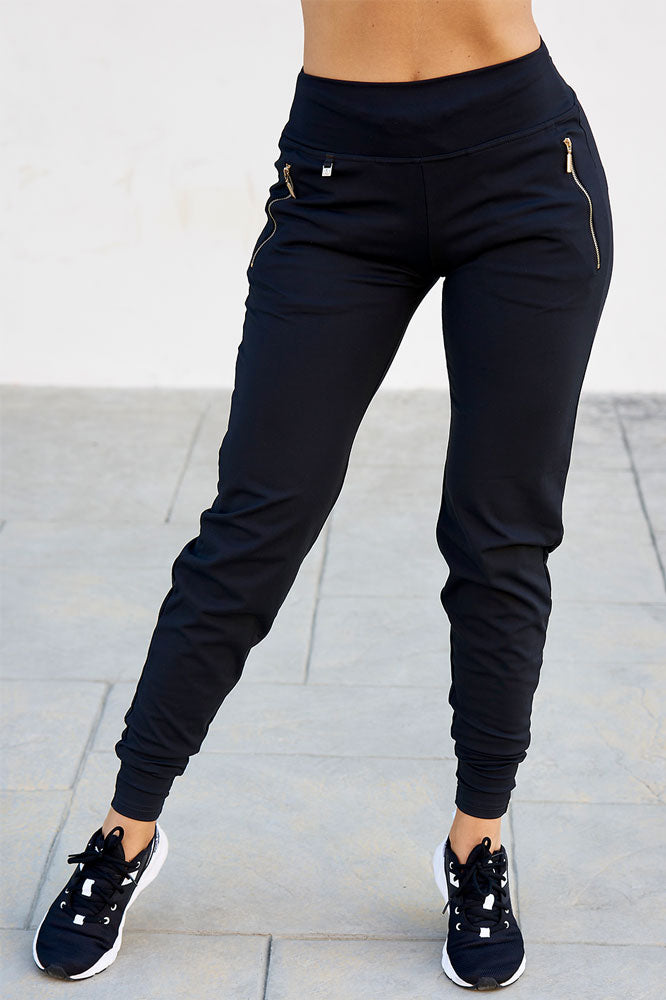
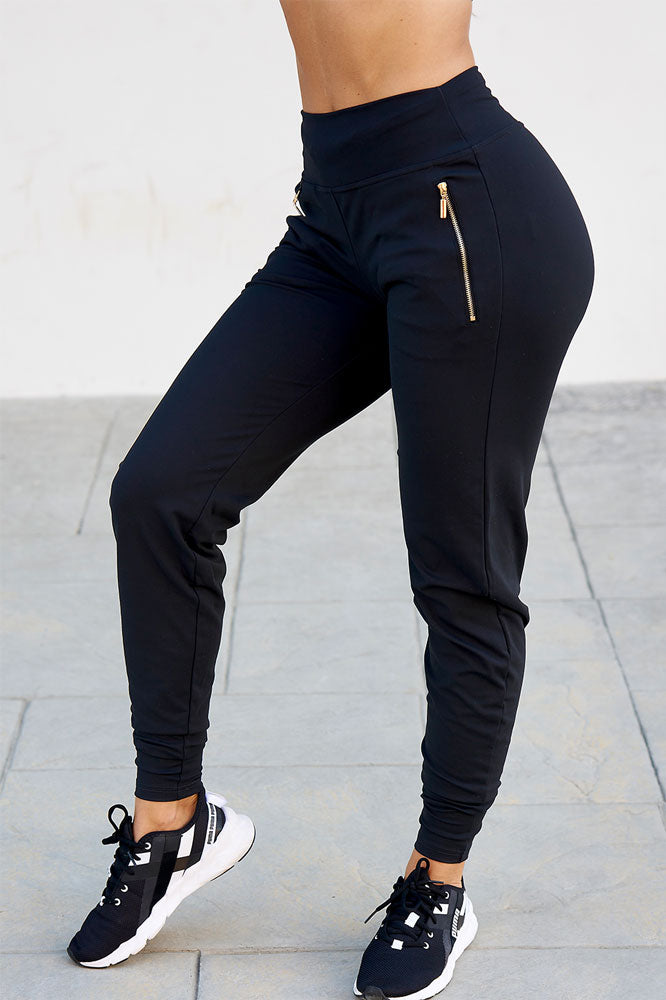
Customer reviews become especially valuable here, when they describe how the leggings sit in real use and whether the fit holds after several washes. Start with our sculpting leggings. Slimline Sculpting gives a long, clean line, while Iconic Stripe adds pockets without losing the shape. If you are unsure about the fit, read how training leggings should fit.
Common misunderstandings
That more visible seams always mean stronger sculpting is not true. Clear lines can give a marked look, but do little good if they are misplaced. Sometimes a more understated construction gives a better result because it works better with material and body.
Nor do sculpting leggings have to feel hard. A well-balanced pair shapes the silhouette without going stiff. The key is a supple material, considered pattern construction and seams that do their work without taking over. If you are looking for the clearest waist effect, high-waist leggings are usually the right starting point.
Common questions about sculpting seams
What are sculpting seams?
Seams placed with intent to shape the silhouette: lengthen the leg, round the seat and mark the waist, without restricting movement.
Is the effect in the seam or the fabric?
In both, but the placement matters most. A dense fabric holds in, but the seams govern the direction and the line.
How can I tell if the seams are well placed?
The lines work upward over the hip, the back seam feels shaped for the body and the waist holds in movement. The whole should feel cohesive, not graphic.
Next time you try a pair of sculpting leggings, look less at what the piece says and more at what the seams do. That is where the precision shows first. Anything but ordinary.

Leave a comment
This site is protected by hCaptcha and the hCaptcha Privacy Policy and Terms of Service apply.