




Workout Leggings Fit Guide for Women
When the waistband rolls, the fabric goes sheer in a squat or the seams land wrong, the colour is beside the point. This guide to workout tights fit helps you choose a pair that holds its shape, follows your movement and still feels right long after the first try-on.
A well-fitting pair should not need constant adjusting mid-session. It should stay in place when you walk, run, bend and stretch, without feeling hard across the waist, thighs or the backs of your knees. Fit is therefore about more than size. It is the interplay of rise, pattern construction, fabric, length and what you use them for.
Start with how you will use them
The same tights do not have to suit every kind of movement. For strength training and the gym, a high rise and a fabric with clear structure often work well. It gives a gathered feel without pulling the waistband up between sets. For walking, travel and days in the city you may want the same stability, with a fabric that also feels comfortable when you sit for longer stretches.
For running, staying in place through movement matters more. A waistband that feels perfect standing still can slide if it is too large, too soft or cut too high for your torso. For yoga and mobility work, the fabric also has to follow deep bends without pulling across hips and knees.
That does not mean you need a wardrobe for every discipline. One considered pair in a shape-retaining fabric with well-placed seams often carries from the gym into everyday life. But be honest about when and how you will wear them most.
Guide to workout tights fit: finding your size
Always start with measurements, not the size you take in other brands. Sizing systems differ, and a fabric with more compression can feel smaller in the hand than it is on the body. If you fall between two sizes, the choice comes down to your shape, how much structure you prefer and the stretch of the fabric.
Tights in the right size should pull on without a fight, yet never feel loose at the crotch, behind the knees or at the waist. Folds in the fabric can mean the model is too large or that the proportions do not match your body. Strong pressure across the groin, hips or waist suggests the opposite: size up, or choose a different cut.
Try them at home in the underwear you usually train in. Take a few steps, sit down, do a squat and lift one knee at a time. They should return to position without you pulling at the waistband. Notice how they feel after five to ten minutes too. A garment can feel firm and well-shaped from the start, but it should never restrict your breathing or create uncomfortable pressure.
When the waist is right but the thighs feel tight
This is common, and a clear example of why size alone does not solve everything. Bodies differ in proportion between waist, hip and thigh. If the waist sits well but the thighs feel too tight, a model with a more yielding fabric or a different panel construction is often a better answer than automatically sizing up.
Sizing up gives the thighs more room, but the waistband risks becoming loose. A wide, high waistband and a construction built for movement are often more decisive than tightness alone.
A high rise should hold, not cut in
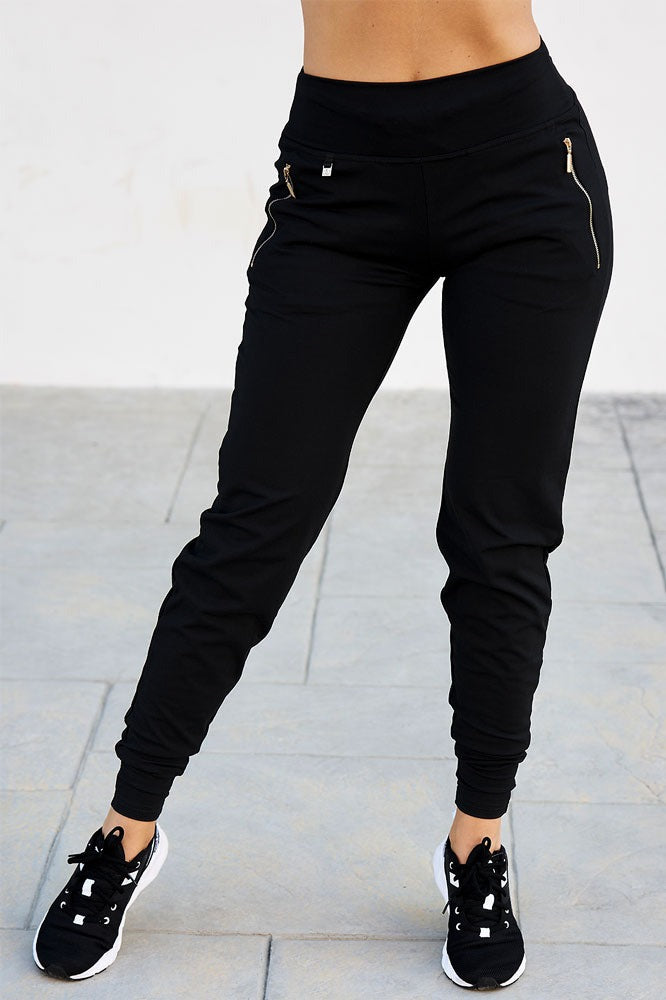
High rise is valued for a clean silhouette and a stable feel through movement. But high means different things. On a long torso it may land just below the navel, while the same model sits considerably higher on a shorter one.
A well-constructed high waistband spreads pressure over a larger area. It should lie flat against the body without folding when you sit, and without forming a hard edge across the stomach. If it rolls down, that is not always a sign you need a smaller size. Often the waistband is too narrow, too soft, or simply does not match your natural waist.
Look at the back rise as well. A slightly higher back gives better coverage when you bend forward and makes the tights feel secure in strength training and everyday wear alike. A small detail with a large effect on how effortless the fit feels through the day.
Sculpting is a matter of construction
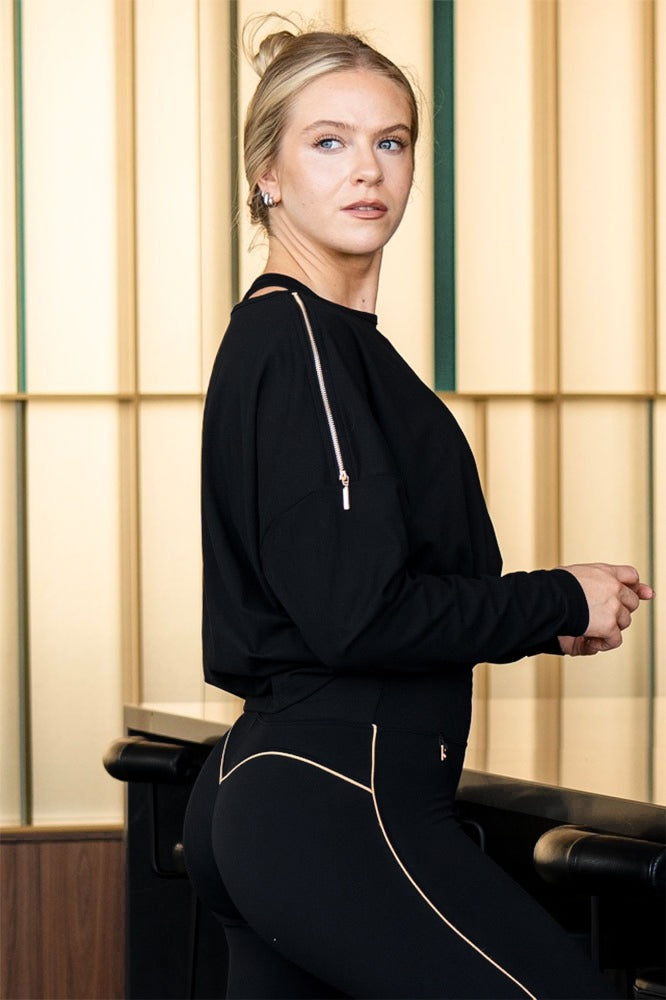
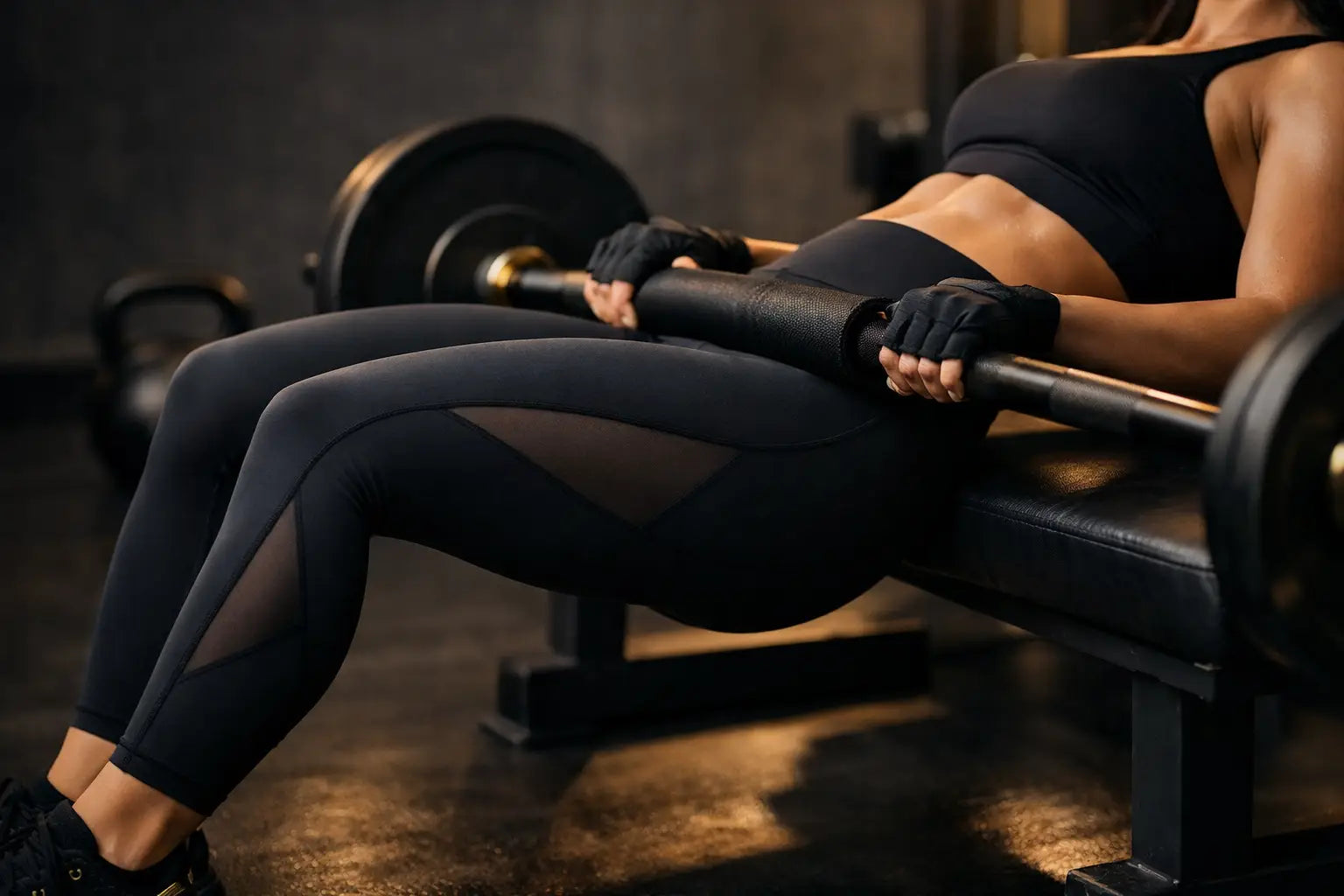
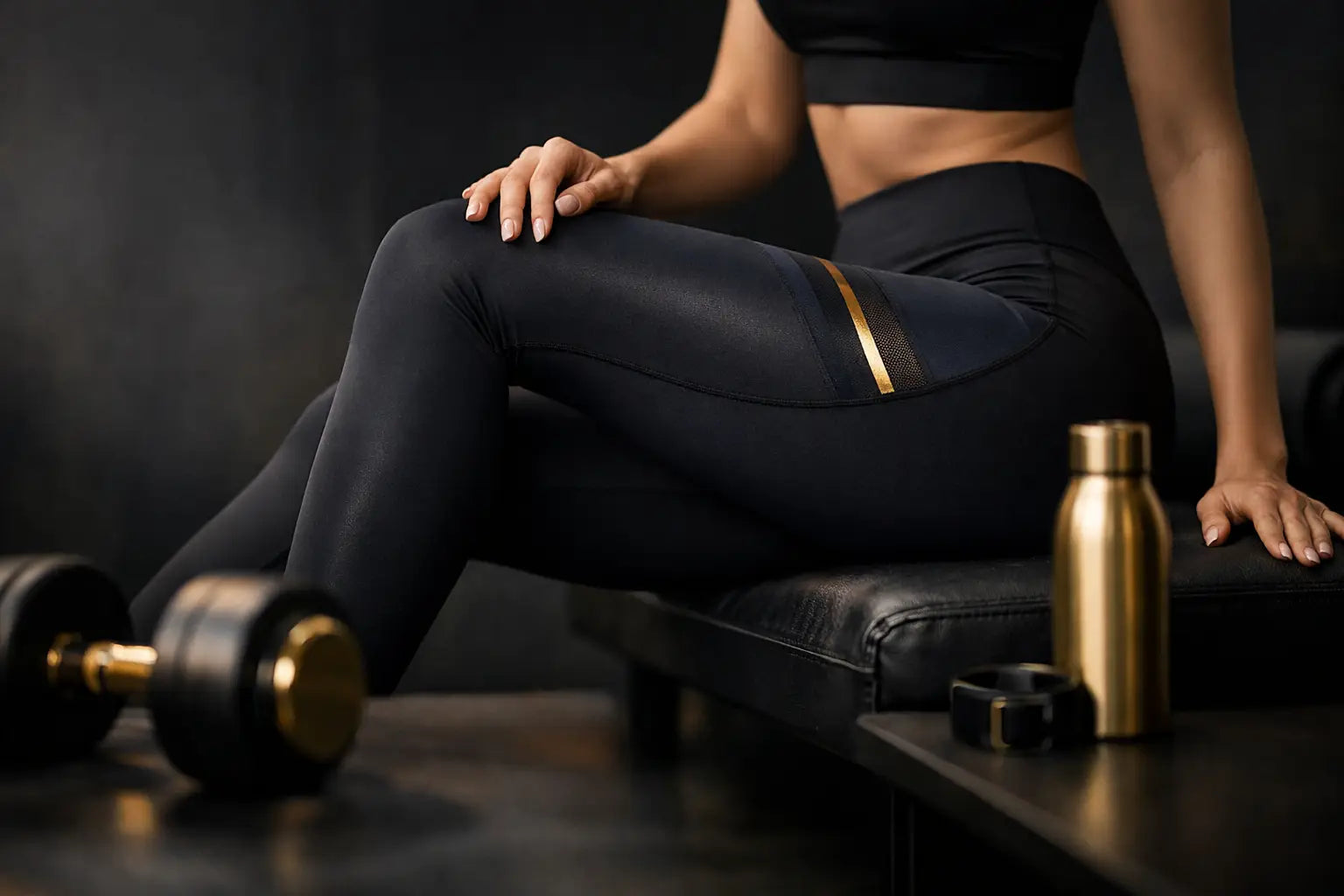
Sculpting workout tights should be read as a design choice, not a promise about your body. The effect comes from pattern construction: seams placed to lift the silhouette, shaped side panels, a considered waistline and fabric with structure. When those parts work together, the tights frame the body's natural lines with precision.
Look closely at how the seams run across hip and back. Panels that follow movement read as more considered than decorative details without function. Seams should lie flat and never chafe, while helping the garment stay in place as you move.
At Wallderinska this construction is part of the design language: athletic precision with Scandinavian lines. The result should feel close to the body and feminine, but always made for movement.
The right length gives a cleaner line
Ankle-length tights are a safe choice for many, but the length has to work with your leg. If fabric gathers heavily at the ankle, movement can feel less free and the whole look less clean. Too short, and they pull upward instead, creating tension across knee and calf.
A full-length model should end close to the ankle without needing to be pulled down through the day. On shorter legs, a 7/8 length can give the same precise line an ankle-length pair gives on someone taller. It is not about following a fixed rule, but about where the garment naturally lands on your body.
Think about your shoes too. Tights that work with training sneakers fall differently with boots or more minimal everyday shoes. If they travel from studio to city, length becomes part of the whole impression.
Fabric decides how it feels over time
Soft tights can feel good immediately, yet not always give the structure you want for strength training or an active day. A denser fabric usually holds its shape better and gives a more collected silhouette. The trade-off is that firmer fabric can feel stricter the first time you try it.
What matters is recovery in the fabric. After squats, lunges and a full day of wear, it should spring back without going slack at knees or seat. Recycled fibres can be part of a more considered material strategy, but construction and the quality of the fabric itself still decide how the garment performs.
Check opacity in movement as well. Do not just stand in front of the mirror. Bend, twist and try them in daylight if you can. A pair of tights should give secure coverage even when the fabric is stretched.
Build a set that works after the session too
Fit reads more clearly when the tights are combined with the rest of the outfit. A sculpting training jacket with shaped panels can pick up the lines of the tights and create a balanced silhouette. Zip, collar and sleeve length shape how the jacket works on the way to the gym as much as on a walk or a trip.
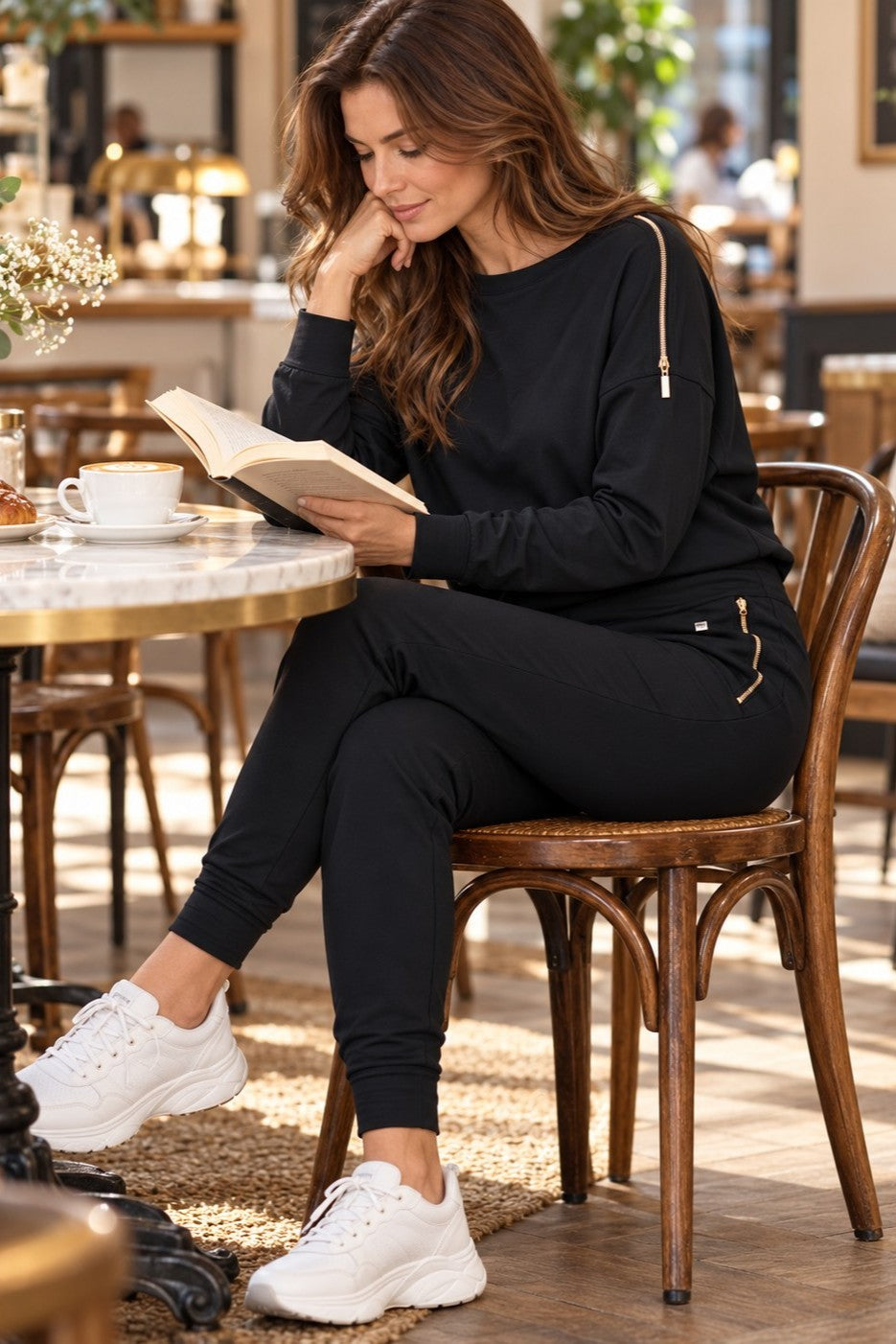
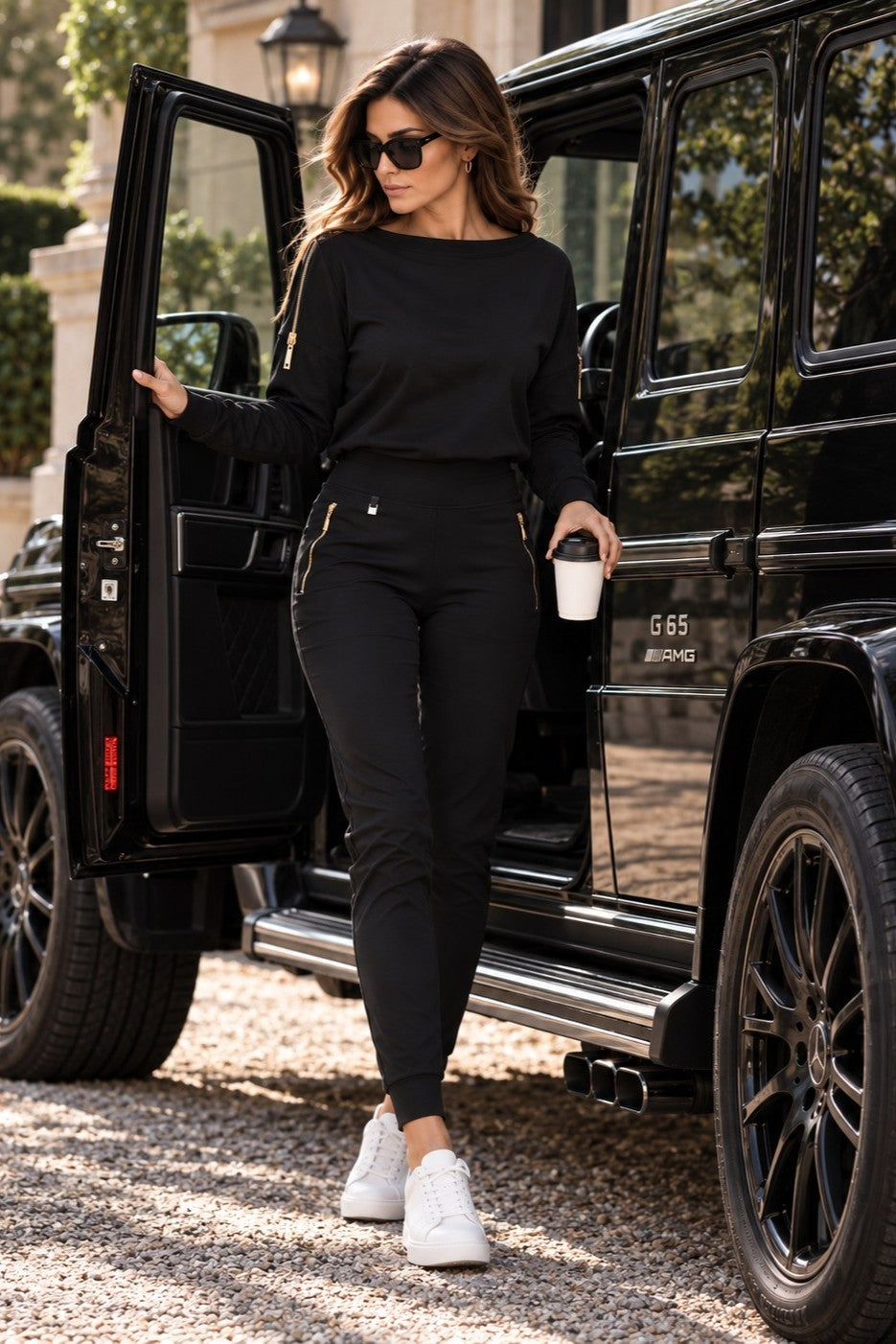
A matching set makes it easy to dress consistently, but the pieces should also work on their own. The tights can be worn with a plain t-shirt, a training jacket or casualwear with a looser shape. Fit then becomes a question for the whole day, not only for training.
In customer reviews the same thing comes up when a garment becomes a favourite: it stays in place, feels comfortable and keeps its shape after wear. That is a better measure of quality than how the tights look in the first three minutes in the fitting room.
Give the fit an honest try-on
Trust how the tights behave in movement, not only the mirror. A pair that sits securely at the waist, follows the thighs without restricting them and keeps its shape through the day gives you a foundation that works whether the next stop is the gym, a walk or the sofa at home.

Leave a comment
This site is protected by hCaptcha and the hCaptcha Privacy Policy and Terms of Service apply.