


How to Avoid See-Through Leggings
Fitting room light forgives almost anything. The squat does not. That is where the question of see-through tights is actually settled: in the movement, in daylight, in the glance over your shoulder at the mirror. A pair that looks opaque standing still can let light through the moment you bend, and after that neither colour nor fit will save it.
Avoiding see-through tights is rarely about one thing. Fabric, size, waistband and seam placement decide together whether the garment stays opaque while the body works. When it all sits right, you stop thinking about it. The tights cover, shape and stay put, and you can spend the session on something other than tugging at the back.

Why tights turn see-through
The most common cause is fabric stretched further than it was built for. As the fibres pull apart, the weave opens up, especially across the seat, thighs and knees. Dark tights can look opaque at rest and lose coverage the second you take the movement to full range. That is not always a sign of poor fabric. Just as often it is the wrong size, or a material made for everyday wear rather than training.
Seam placement matters more than most people think. When panels and seams sit wrong, the pressure lands exactly where the body already stretches the fabric hardest. A well considered pair spreads the load instead, so the weave works evenly. If you want to understand the construction itself, we have set it out in what sculpting tights are and how they work.
Start with the fabric, dense enough to trust
The quickest way around the problem runs through the material. A denser, slightly firmer fabric recovers better after stretch and holds its colour depth longer. Pull at it gently: if the colour goes pale or patchy under light tension, coverage will give way on the body too. It shows most clearly on black, where a well constructed fabric keeps its depth while it works.
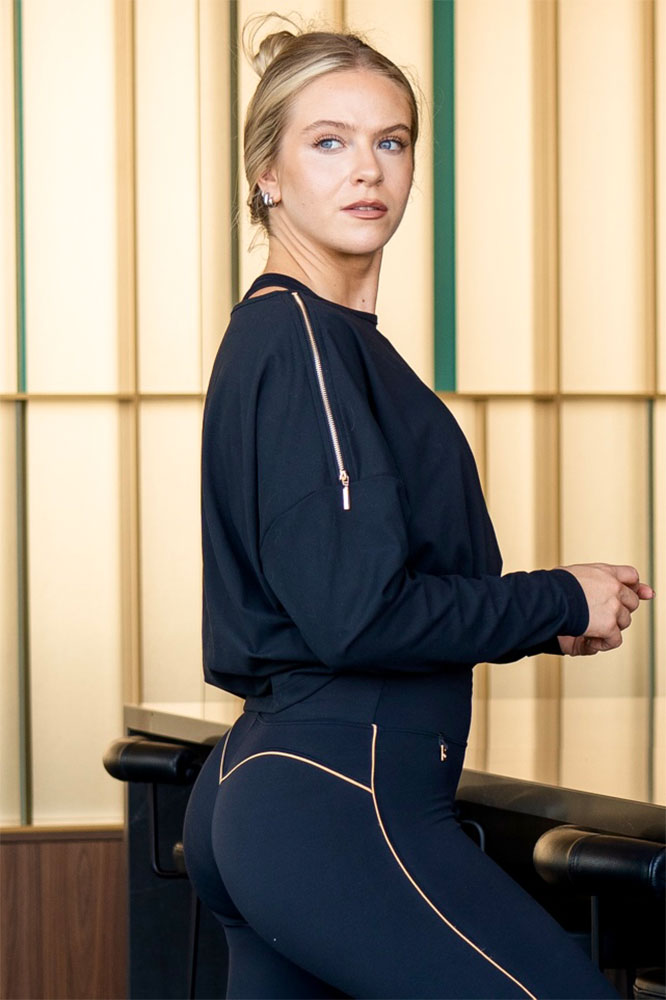
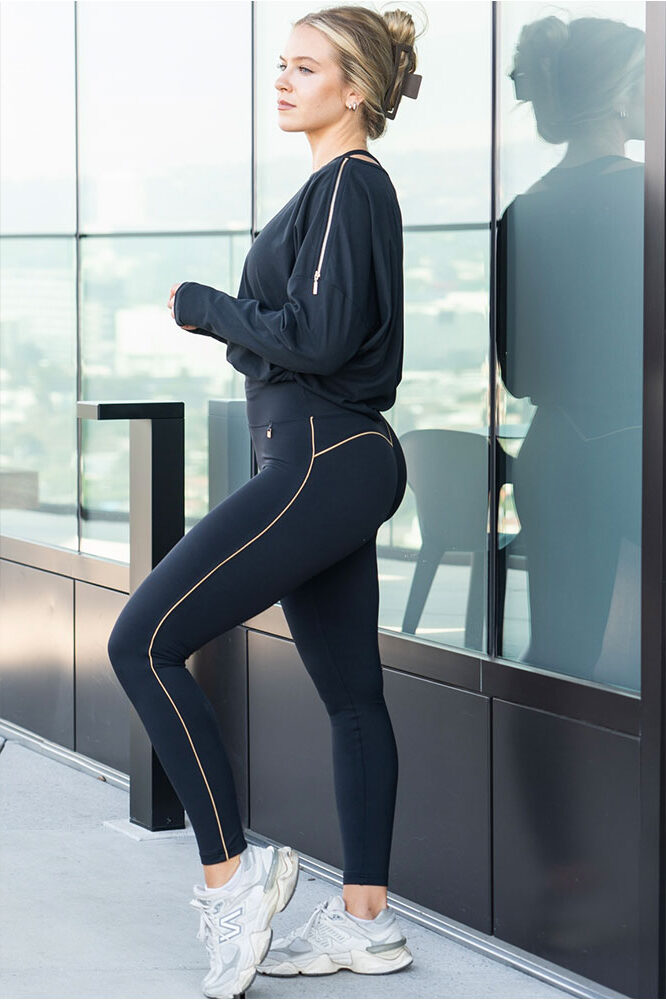
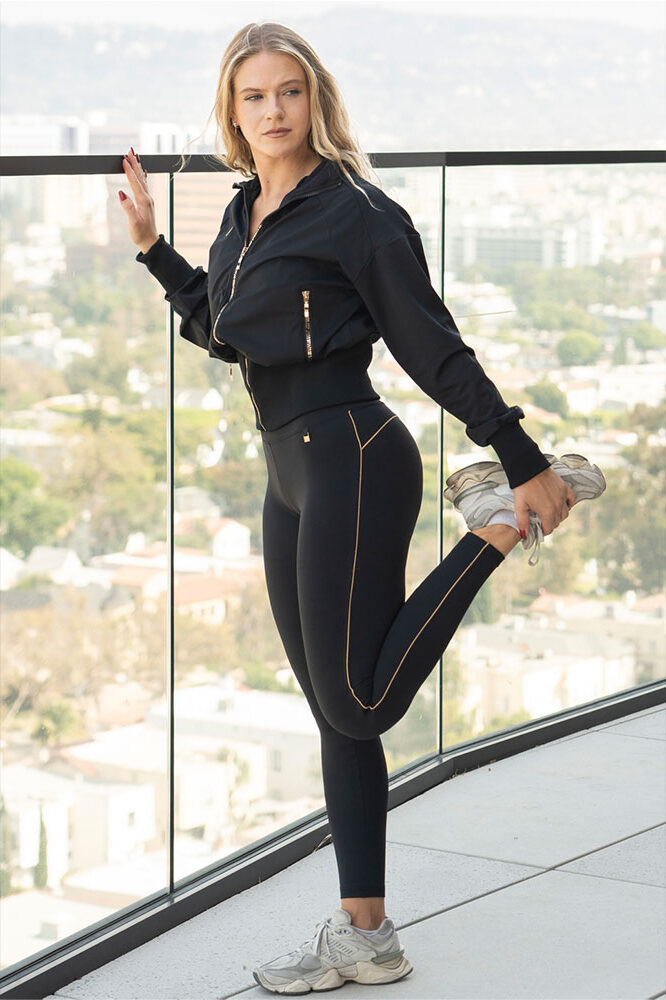
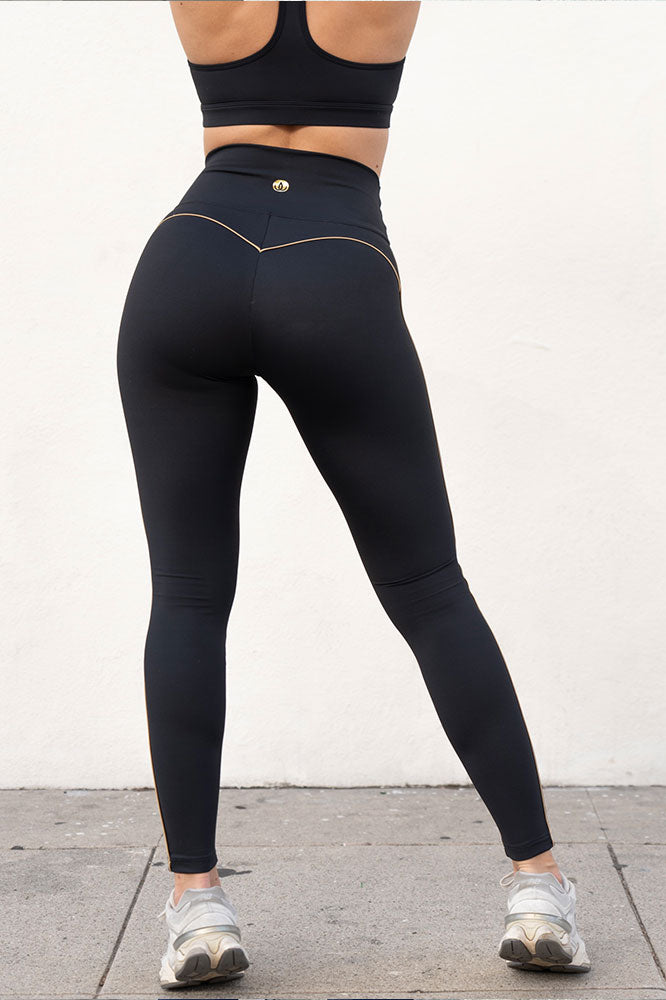
Wallderinska sculpting tights are made from recycled material with compression and fast recovery. The weave returns to shape rather than staying stretched out. That is also why black is often the safest choice for strength training. Black training tights in a dense material leave margin all the way into a deep squat.

Size decides more than you think
Many people size down for a firmer, more held feeling. It often does the opposite. Too much tension across the seat pulls the weave apart, the waistband starts to roll, and the whole pair loses its stability. A well built pair of tights should shape through construction and choice of material, not by being stretched to its limit. If you are unsure about fit, read on in how training tights should fit.
The waistband that keeps coverage up
A high, well constructed waistband does double duty: it steadies the tights from above and reduces the downward pull as you move. When the waistband stays put, the fabric is not overworked across seat and thighs, and coverage holds. If you want the clearest effect, high waisted training tights are usually the right place to start.
Test them in movement, not just in front of the mirror
Standing upright is not enough. Do a squat, fold forward, turn your body to the side. Daylight reveals more than warm fitting room light, and a photo from behind often says more than the mirror from the front. If the fabric goes shiny across the seat in movement, that is an early sign it is under too much tension. If the seams feel hard or the tights pull off centre, the model may be wrong for your body shape, even when the size is right on paper.
Shopping online, the words of other customers are worth a lot, particularly the ones describing how the tights sit in a bend, over hip and thigh, and whether they stay opaque after several washes. When several people return to the same point, there is usually something in it.

Care keeps the coverage
A pair that was opaque from the start can turn see-through over time if it is washed the wrong way. High heat, fabric softener and the tumble dryer break down elasticity, and once recovery goes, the fabric has to work harder to hold its shape. Wash at 30 degrees, turn the tights inside out, skip the softener and let them air dry. A simple routine that makes a difference to fit, colour depth and lifespan alike.
Common questions about see-through tights
Why do my training tights go see-through in a squat?
Usually because the fabric is stretched further than it was built for, or because the size is too small. A denser material with good recovery, in the right size, holds coverage even in a deep bend.
Which tights are the least see-through?
Dark, dense materials in the right size. Black sculpting tights in a compression fabric with fast recovery give the most margin. See our sculpting training tights.
Does going a size down help?
No, often the reverse. Hard tension pulls the weave apart across the seat and can make tights more see-through, not less.
Can see-through tights become opaque again?
Rarely for good. Once the fibres are stretched out, the pair has reached its limit. Washing them right from the start, on the other hand, keeps the density far longer.
Not having to wonder whether your tights stay opaque is a small thing that changes the whole session. The right fabric, the right size and a waistband that stays where it is. Then the garment covers, shapes and stays where you put it. When Scandinavian design meets close fitting precision, a pair of tights stops being something you have to keep an eye on. Anything but ordinary.

Leave a comment
This site is protected by hCaptcha and the hCaptcha Privacy Policy and Terms of Service apply.