
7 activewear fabrics: what each fibre does
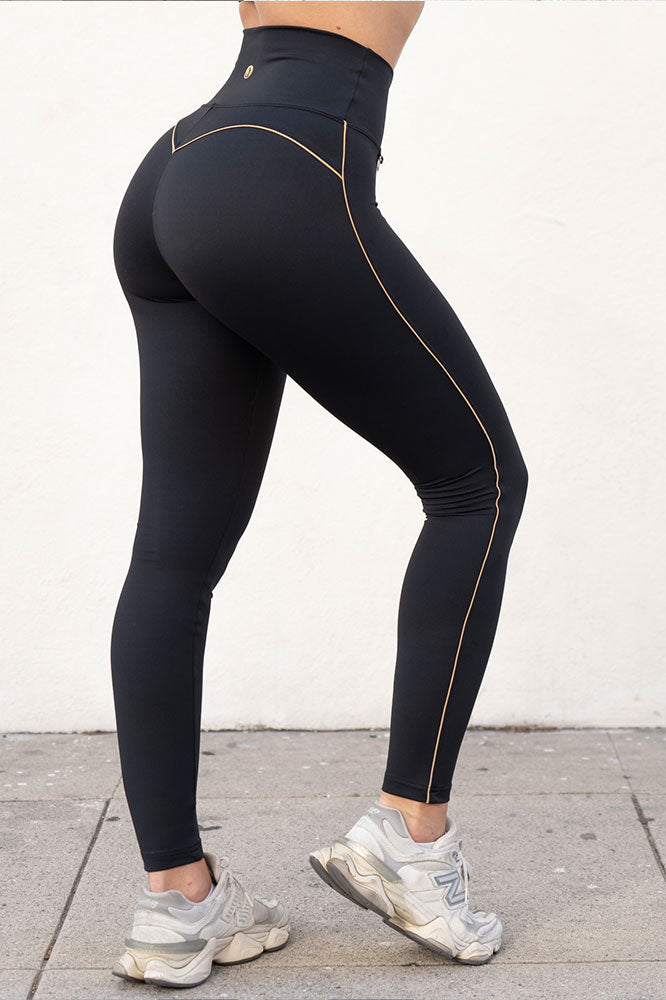
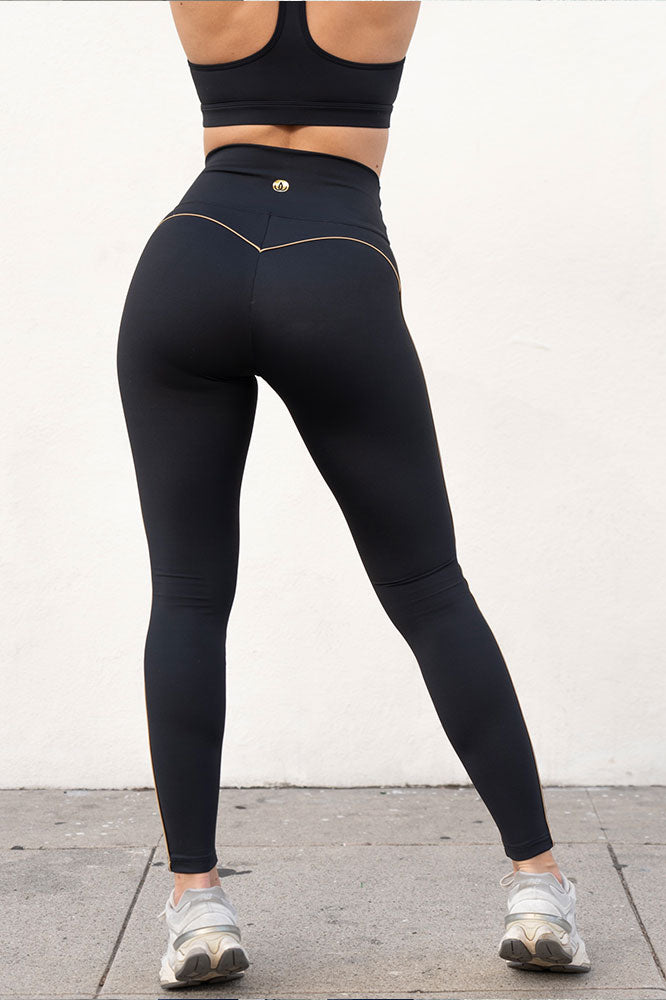
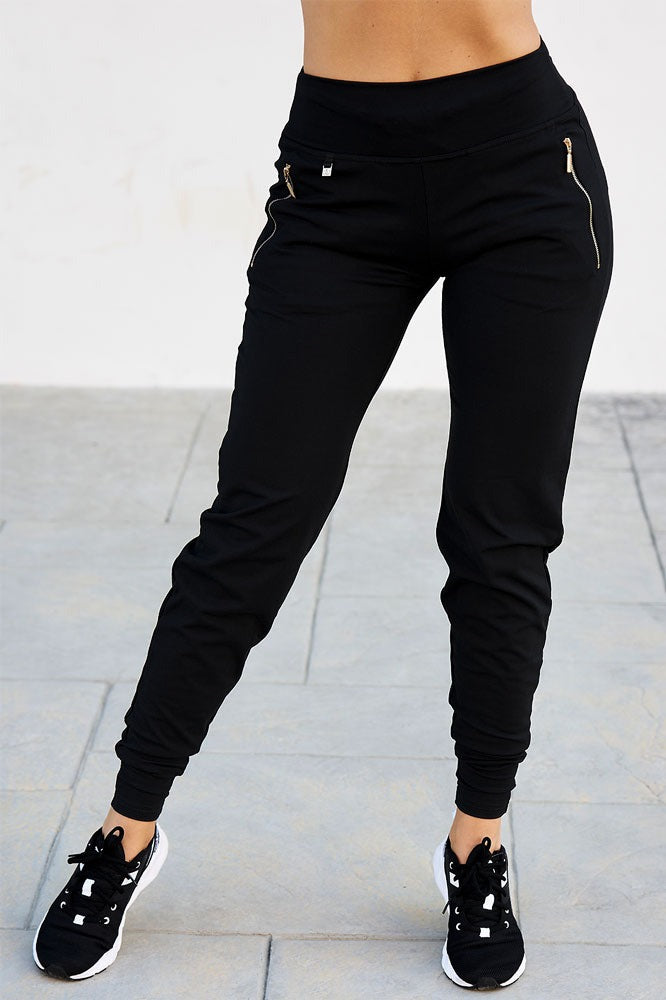
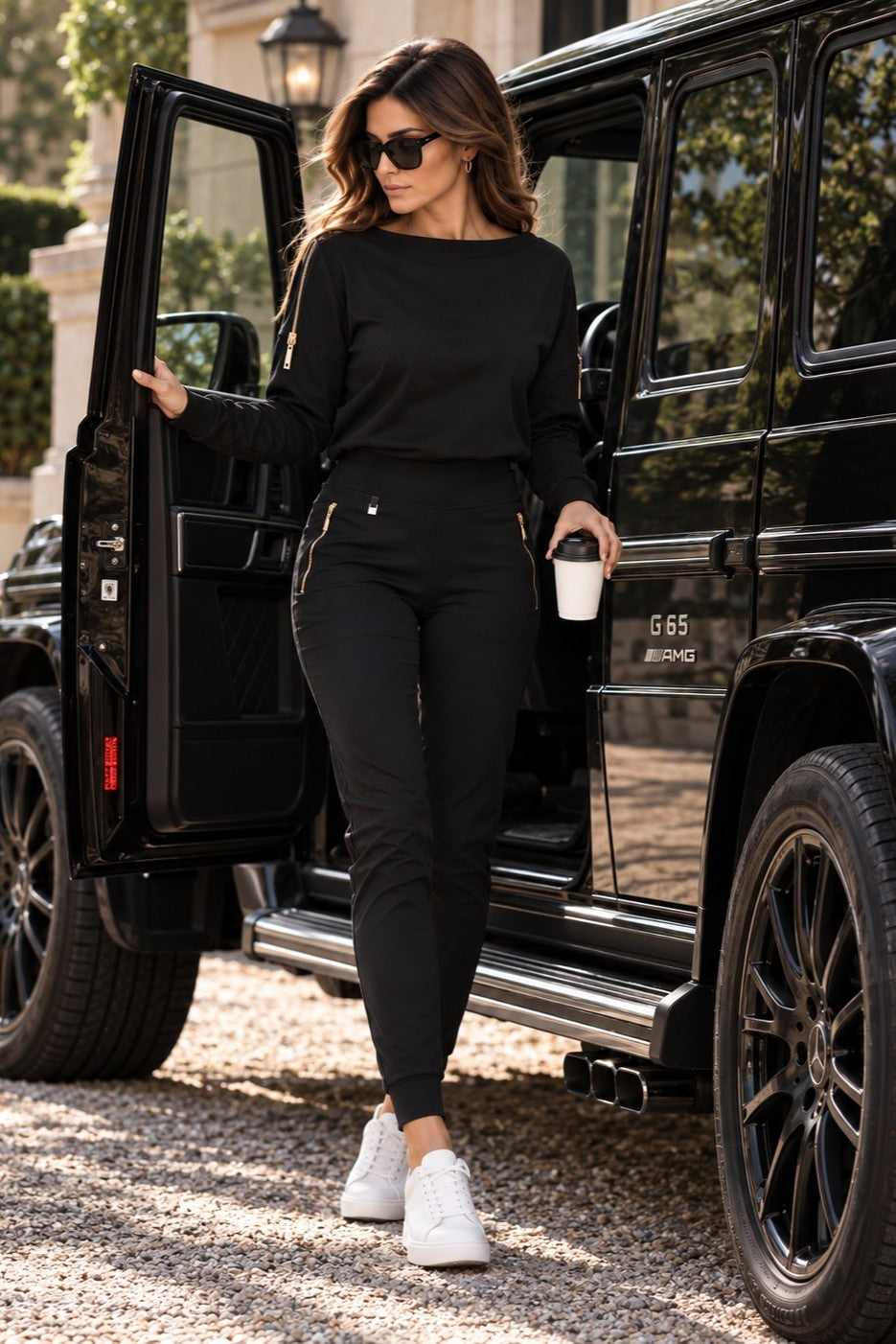
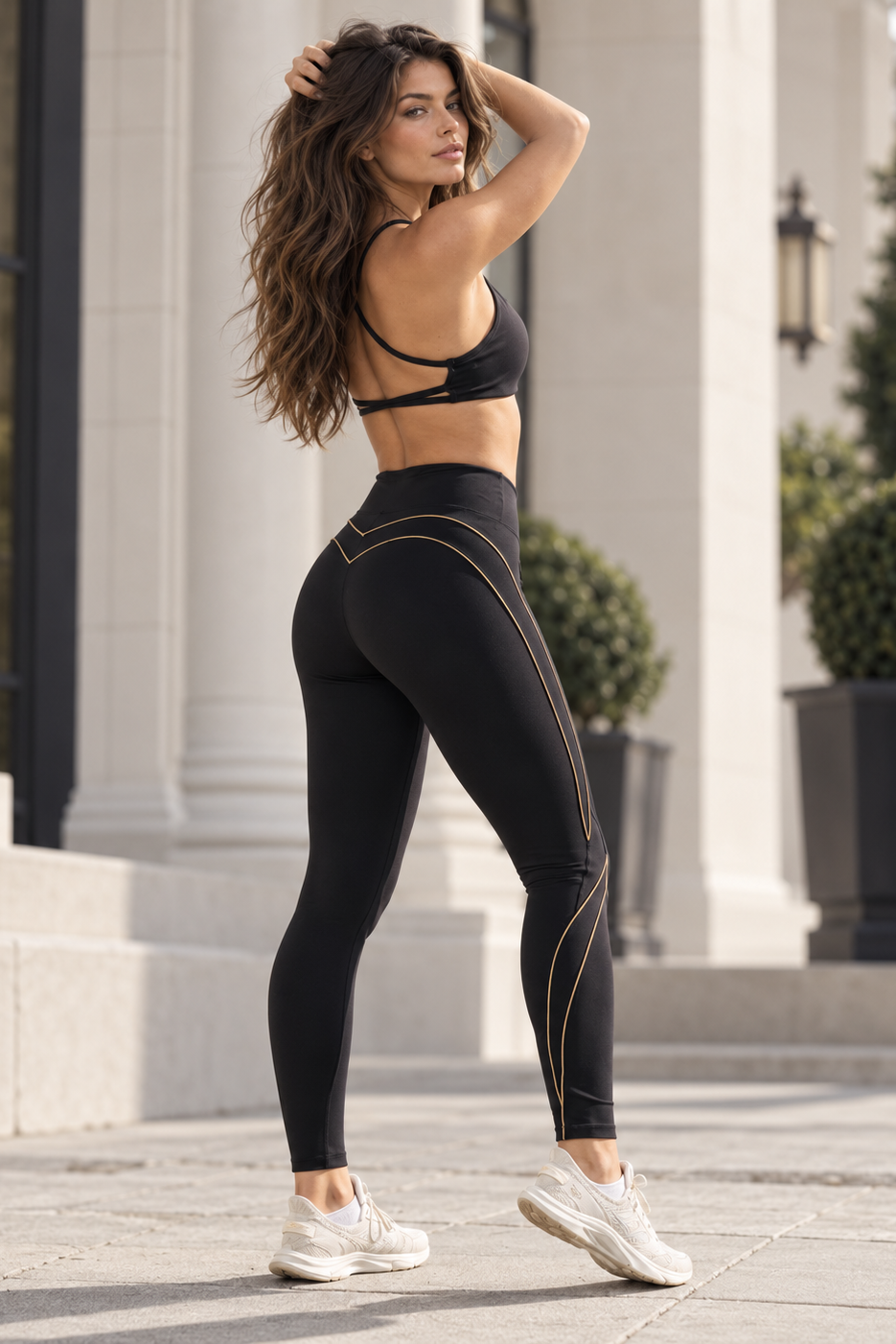
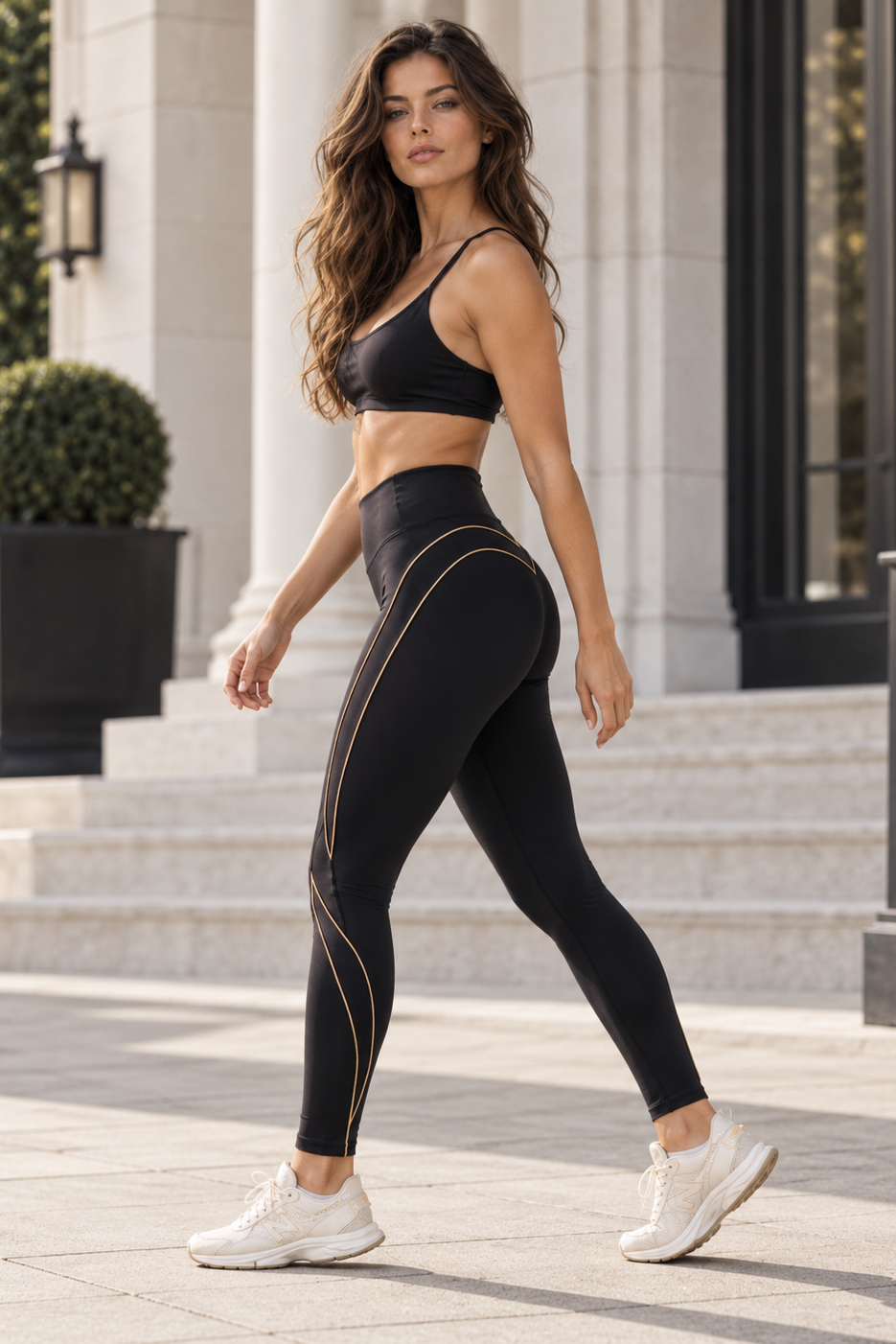
The 7 activewear fabrics that decide how a piece behaves are polyamide, polyester, elastane, merino wool, cotton, lyocell and polypropylene. With us, the first three do the work: Iconic Training Jacket G2 and Slimline FlexFlow Leggings Black/Gold are sewn in recycled ECO Circle polyester, while Edge Casual Zip Pants are made in a micro-brushed fabric of 77 percent polyester and 23 percent spandex.
A garment can look right on the hanger and still feel wrong after twenty minutes of movement. The fabric decides how the cloth follows the body, how moisture travels, how the shape holds and how the piece feels when training turns into a working day. In garments with a clear silhouette, the fabric is part of the construction as well. A high waist, shaped panels and seams that lift need a material that stays in place without feeling stiff.


7 activewear fabrics, fibre by fibre
No fibre is right for everything. Close-fitting tights have different demands than a soft sweater on a trip, and a set for strength training needs a different balance than a layer for cold mornings. These are the seven qualities that come up most often.
1. Polyamide
Polyamide is hard-wearing, soft and smooth against the skin. The fibre often gives a dense, even surface that keeps the lines clean in tights and jackets without the fabric feeling heavy. Together with elastane it leaves room for panels and seams that shape, while the fabric follows squats, lunges and the movements of an ordinary day.
2. Polyester
Polyester takes up little moisture and therefore dries faster than most natural materials. It also holds colour well, which shows on black pieces that are meant to stay black. Goldline is one example: Goldline Black Sculpting Leggings are sewn in 73 percent polyester and 27 percent elastane in recycled ECO Circle quality, squat proof and quick-drying.
The feel varies a great deal between polyester qualities. A thin fabric can be cool and light, while a denser knit gives more support. The fibre content alone is not the verdict. Fabric weight, knit and construction say just as much.
3. Elastane
Elastane is the fibre that lets a garment move with you and then return to its shape. It is rarely used on its own. The proportion matters: too little elastane and the piece loses its spring, too much without the right density and the fabric sits looser than it should. Slimline FlexFlow sits at 78 percent polyester and 22 percent elastane, with a high shaped waist that holds you in without pressing.
4. Merino wool
Merino wool regulates warmth and can take up moisture without feeling wet straight away. It suits a base layer, a long-sleeved top or a soft sweater when the temperature shifts between morning, transport and activity. As a sculpting material in tights it is rarely the right choice. A blend with synthetic fibre gives better durability and a shorter drying time.
5. Cotton
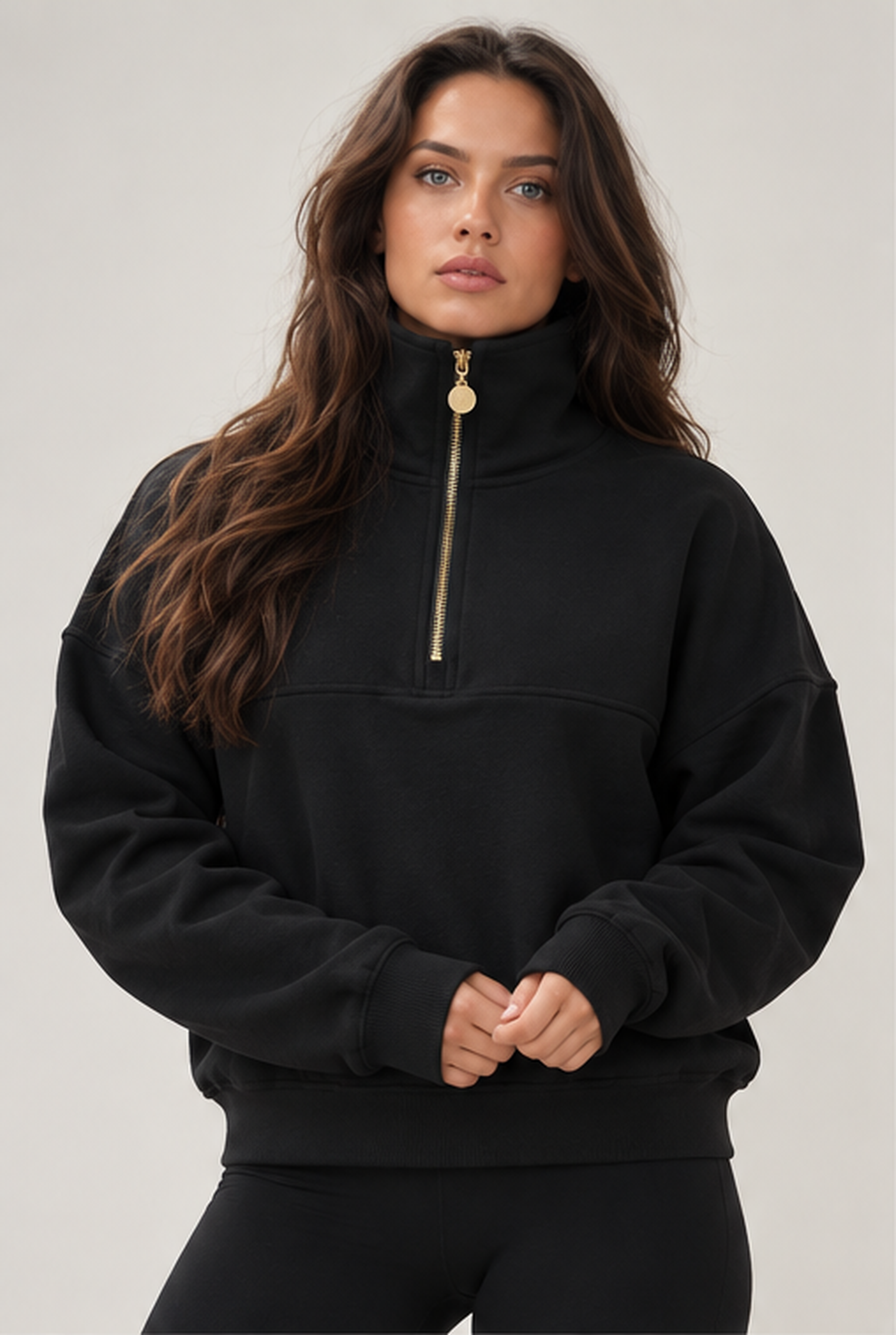
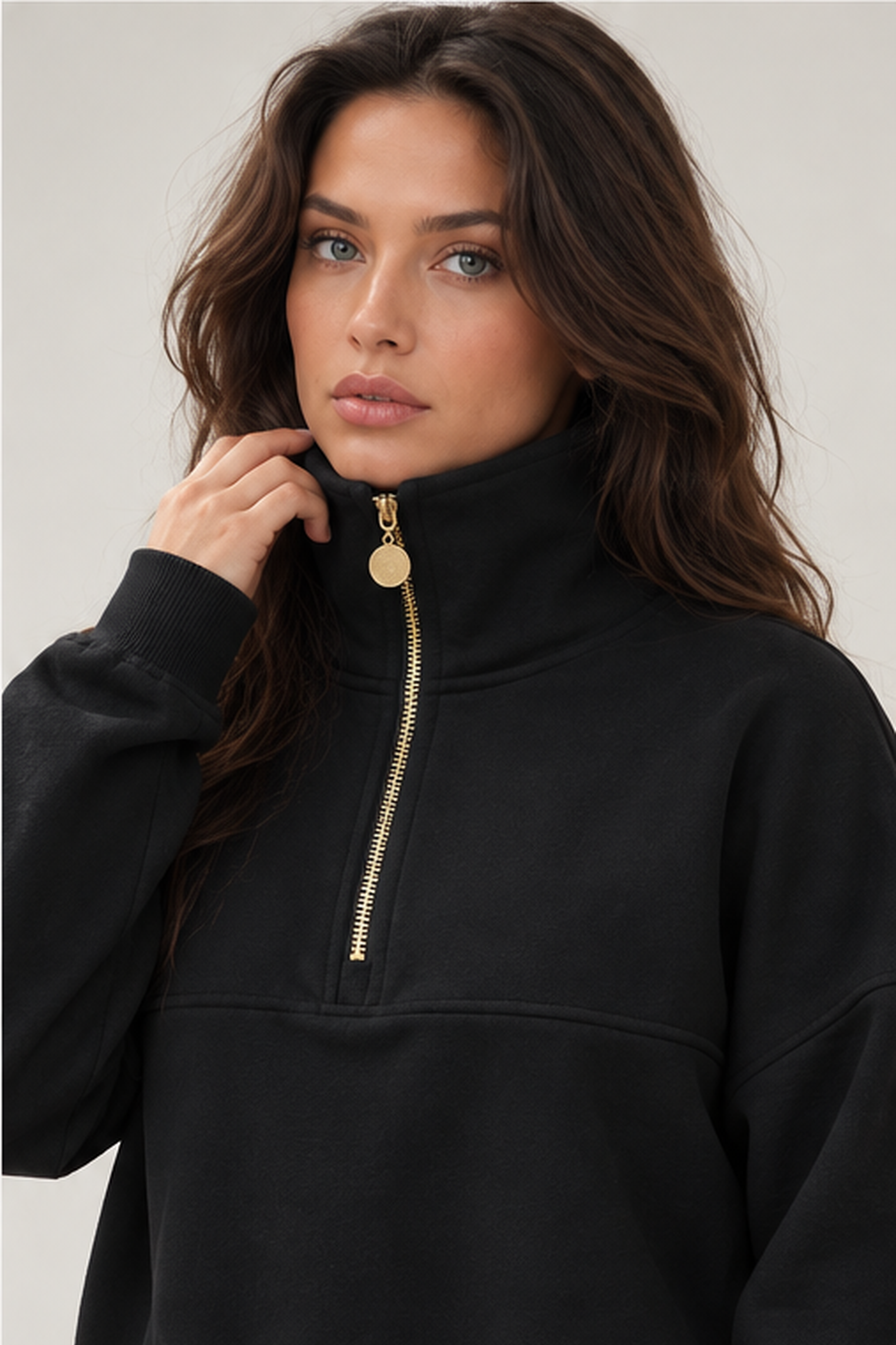
Cotton is soft, airy and familiar against the skin. It belongs in the pieces you live in between sessions: Edge Cozy Half Zip Sweater is sewn in 95 percent cotton and 5 percent spandex, with a brushed inside and a half zip in gold metal. More in that direction in loungewear.
At a high pulse, cotton has a limit. The fibre soaks up moisture and dries slowly, which makes it less suited to intervals and sweaty sessions. It is a question of occasion, not of quality.
6. Lyocell
Lyocell is made from cellulose fibre and is valued for its cool, soft surface. The material has a soft drape and works in tops and casualwear where the expression should be fluid rather than technical. In activewear it is most often used in blends, where synthetic fibre or elastane brings the stretch and the durability.
7. Polypropylene
Polypropylene is light and takes up very little moisture. The fibre is used mainly in base layers and socks for colder conditions, closest to the skin, where it can keep away the cold, damp feeling after a session outdoors. It rarely takes centre stage in a matching set, but it has a clear task in a wardrobe worn all year.
The blend decides the whole
The pieces that last longest rarely rest on a single fibre. Polyamide and elastane give smooth tights with a stable high waist. Polyester and elastane suit a short drying time and free movement. Cotton or lyocell together with synthetic fibre give casualwear that feels soft but holds its shape better than a pure natural material.
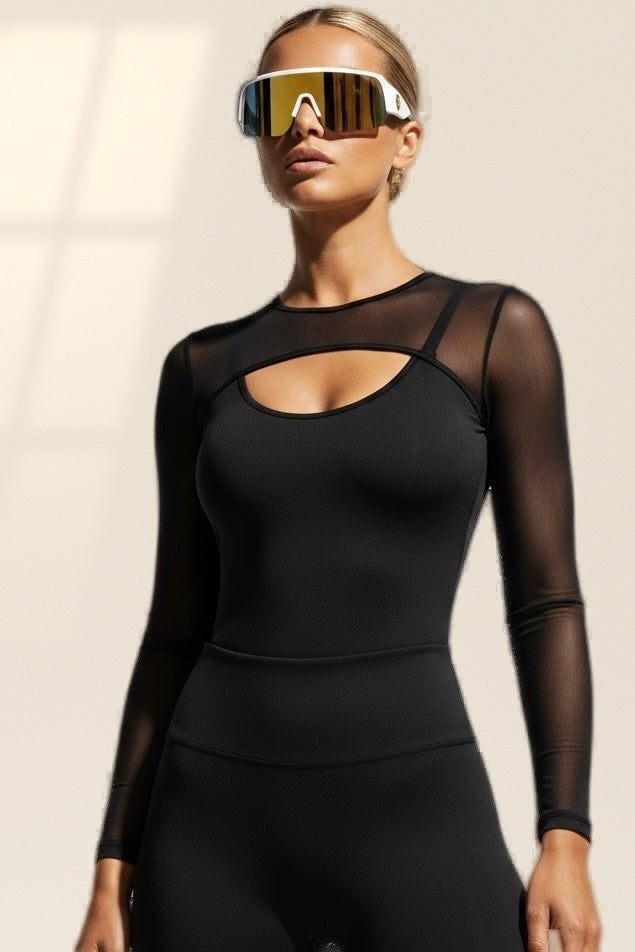
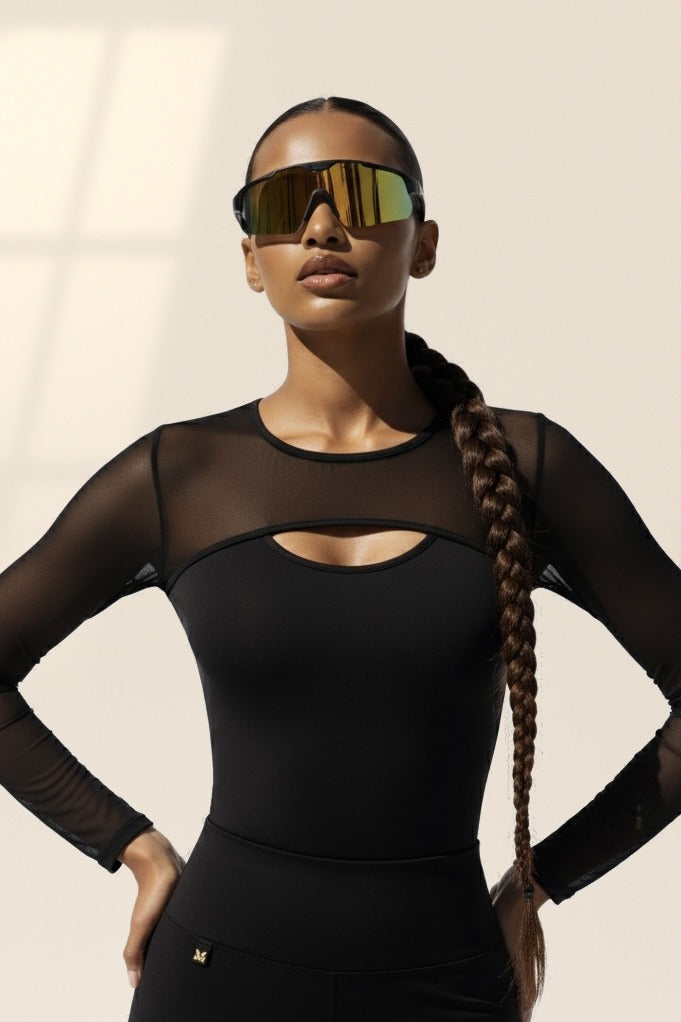
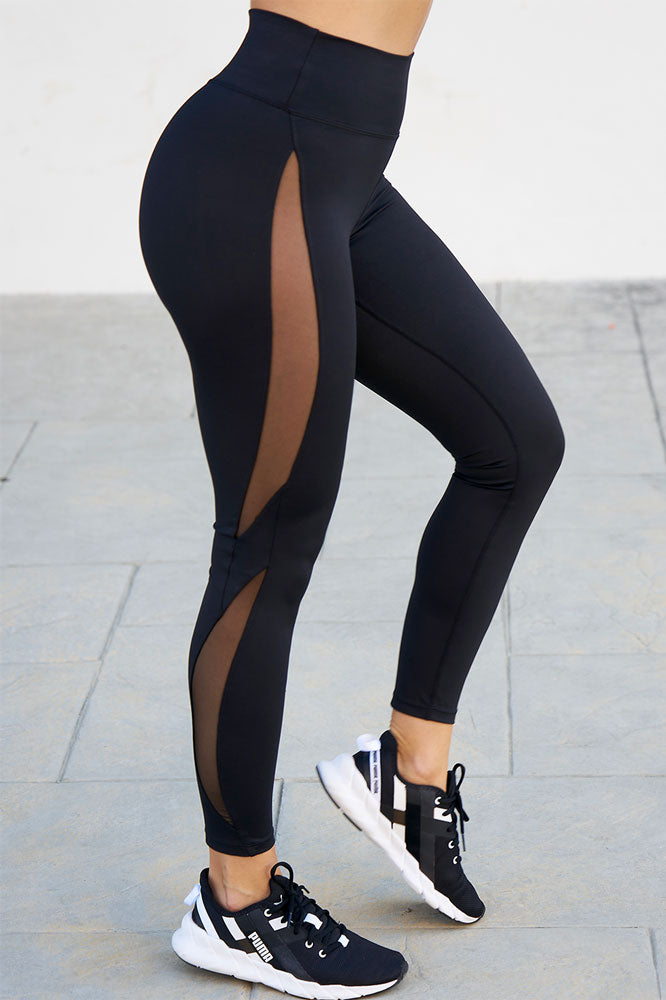
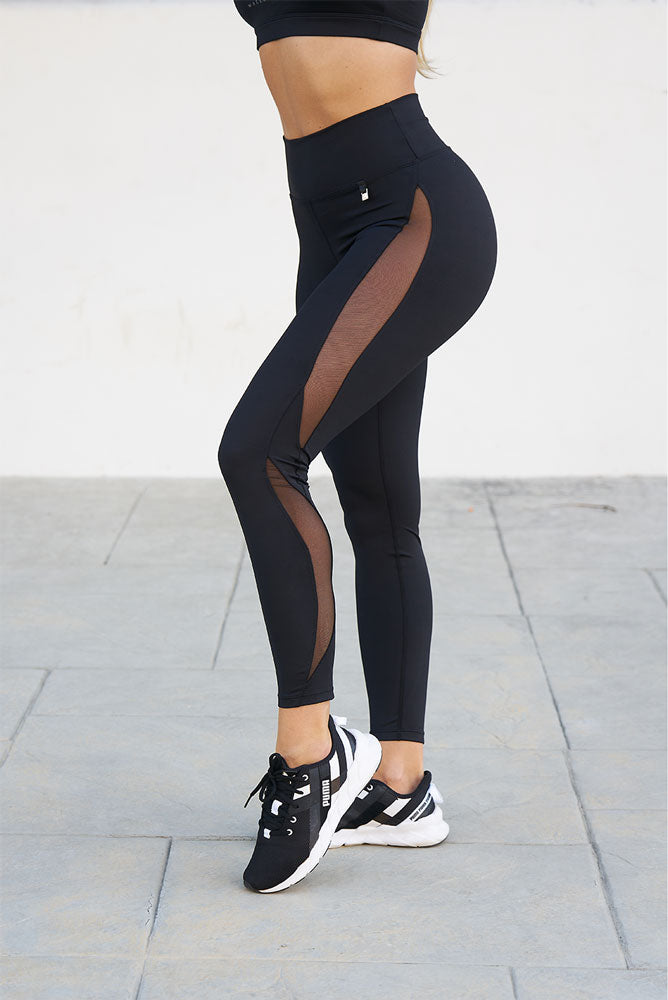
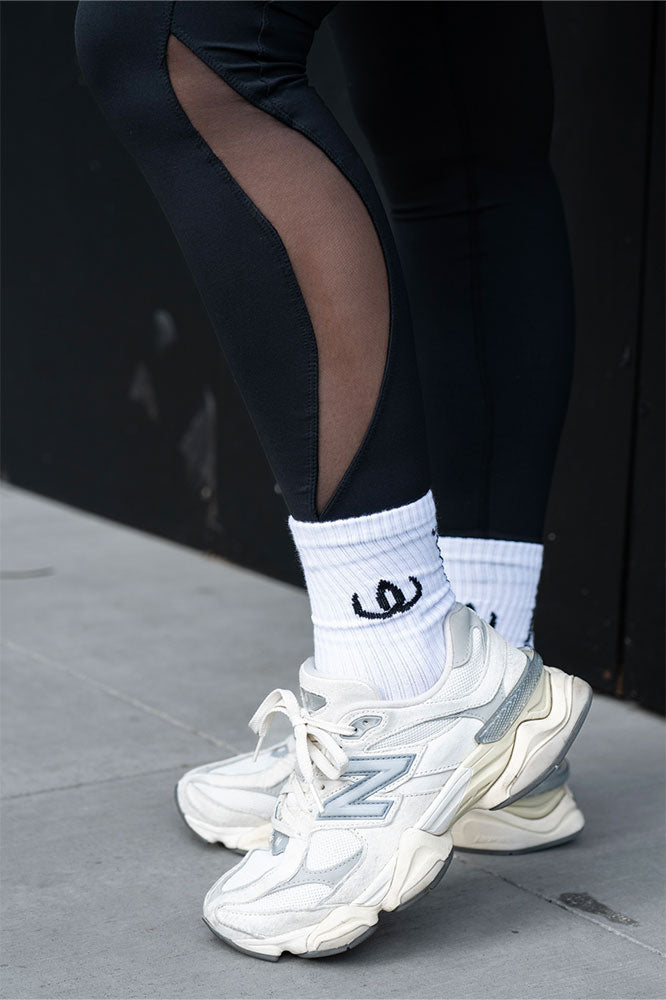
Mesh solves the same question in its own way. Edge Long Sleeve Mesh Top ventilates through mesh details in recycled ECO Circle polyester, and Edge Mesh Sculpting Leggings have mesh panels at the sides that create a sculpted line along the leg. The same fibre, different tasks, depending on where in the garment the fabric sits. More on how the qualities breathe in Which materials breathe best in activewear?
Feel for how the fabric behaves in movement as well. Is it opaque when you bend over? Does the waist stay in place? Do the knees even out again once you stand up? Those are concrete signals of how fibre, weight and construction work together.
How to make the materials last
Wash activewear inside out at a low temperature, skip the fabric softener and let the pieces air dry. Softener can settle as a film on technical fibres and make it harder for the fabric to move moisture, and high heat affects the recovery of the elastane. The routine is in Washing activewear without fabric softener.
Wash tights and pieces with zips on their own, away from rough towels and hook-and-loop fastenings. Friction is one of the most common reasons for pilling and a worn surface. With that care, colour, stretch and the close feel last considerably longer.
Choose the material according to how you actually live and move. A considered activewear wardrobe does not need the same quality in every piece, but materials that give the right support, feel and shape from the first repetition to the rest of the day.

Leave a comment
This site is protected by hCaptcha and the hCaptcha Privacy Policy and Terms of Service apply.