
Washing activewear without fabric softener: how to do it
Tights that stay in place, a training jacket with a clean silhouette and a set that follows every movement deserve care given with the same attention as the seams. Washing activewear without fabric softener is the simplest thing you can do to keep the performance fabric wicking moisture, holding its shape and feeling clean, session after session.
Fabric softener gives a soft feel straight out of the machine. On performance pieces that feel is short-lived. What remains is a film on the fibres working against what the material was made to do.
Why does activewear not take fabric softener?
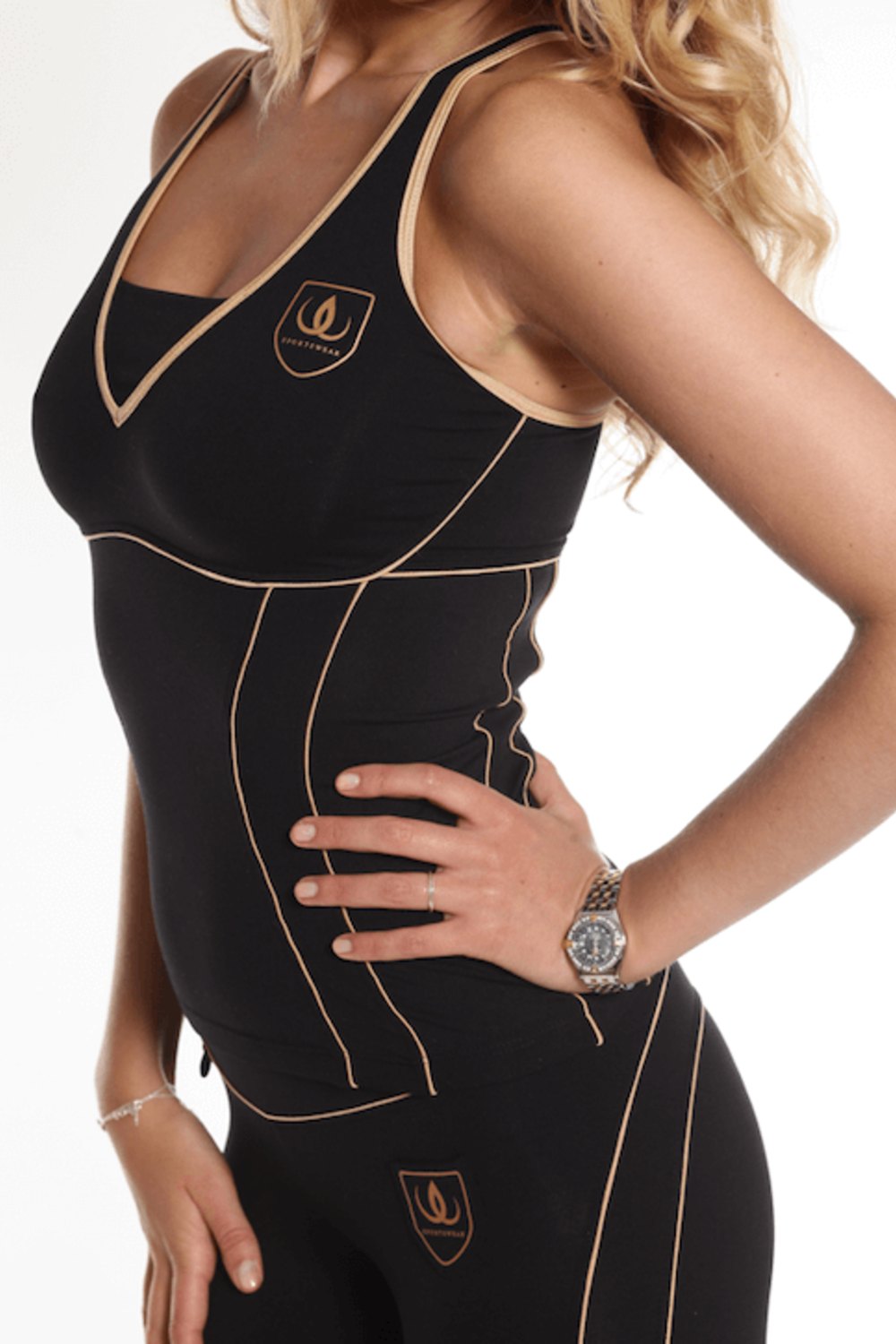
Most tights, tops, jackets and sets are sewn in synthetic fibres: polyester, polyamide and elastane. The materials are light, dry quickly and give stretch where the body needs it. In sculpting pieces, seams, panels and a high waist work together. The fit is designed, not accidental.
Fabric softener leaves a softening coating on the textile fibre. On terry towels that reads as softness. On a performance fabric the same coating reduces the ability to move moisture. The tights feel warmer during the session, dry more slowly and hold odour longer.
A single wash ruins nothing. Used regularly, however, softener leaves residue that gathers on the fibre over time, and pieces with elastane have less to work with when they recover their shape. When the fit is the whole point, it is worth being consistent from the first wash.
How do you wash activewear without fabric softener?
The routine does not need to be elaborate. Most of it is letting the material do its work without adding anything it does not need.
Turn the pieces inside out
Turn tights, tops and jackets inside out before they go in. That protects the face of the fabric, the colour and the smooth surface from friction. It shows most on dark sets and on pieces with shaped side panels, such as the Slimline Capri Sculpting Leggings Dark Grey, where the lines are part of the look.
Close zips and fasten hooks. Pieces with metal details are best washed alongside similar textiles, so nothing chafes unnecessarily.
Wash cool and gentle
30 degrees is enough for activewear in frequent use. The lower temperature is kind to elastic fibres, bonded details, prints and shape-holding panels. It also assumes you dose correctly and that the pieces are not left damp in a closed bag.
Always follow the garment care label if it says otherwise. A shorter synthetics cycle with a moderate spin works well when the clothes are not visibly dirty.
Dose liquid detergent sparingly
A mild liquid detergent for synthetics dissolves easily at low temperature and leaves fewer visible traces on dark pieces. Choose one without softener and hold back on the amount.
More detergent does not mean cleaner clothes. Overdosing leaves residue that holds odour, which is exactly what you set out to avoid. With soft water you need less than you think.
Wash soon after the session
Sweaty clothes do badly left in the bag. If you cannot wash straight away, hang them up so the moisture leaves. Do not put them crumpled in a plastic bag overnight.
The smell rarely comes from sweat itself, but from bacteria and residue taking hold when moisture and warmth are shut in. A prompt wash therefore does more for freshness than heavily perfumed products.
Air dry and pull the piece back into shape
High heat is rarely a friend to elastane. Hang activewear to dry rather than tumbling it, unless the care label expressly says otherwise. Gently pull the piece into its natural shape while it is still damp, especially at waistbands, cuffs and panels.
Avoid radiators and long spells in direct sun. Heat strains the fibres and sun affects the depth of the colour. Air drying takes longer, but it is a small effort for a piece that keeps following the body.
Why does activewear still smell?
Sometimes the odour sits in freshly washed clothes. It is tempting to raise the temperature or reach for softener. Neither solves the underlying problem, which is usually detergent residue, an overloaded machine or pieces left damp too long.
Wash the piece again as the care label says, with less detergent and no softener. Check the machine as well. Build-up in the detergent drawer, the door seal or the filter carries odour over to clean clothes. Run a cleaning cycle as the machine instructs and leave the door ajar between washes.
If the odour sits deeper, a detergent made for sports textiles is a reasonable next step. Be careful with strong products and home mixtures, particularly on dark shades and pieces with delicate details. The full routine for recycled performance pieces is in how to care for recycled performance pieces.
What should activewear be washed with?
Activewear does not need a separate wash every time, but it does need the right company in the drum. Wash it with other light synthetics in similar colours. Coarse towels, denim and pieces with hard details create friction that dulls fine surfaces early.
Do not pack the machine too tightly. When the pieces can move in the water, sweat, dirt and detergent residue rinse out properly. A moderately filled machine is gentler than an overfull one, even if the latter feels efficient in the moment.
Wash the parts of a set together so colour and material age evenly. That goes especially for black and navy activewear, where a coherent silhouette is the whole point.
How do you care for pieces worn both for training and every day?
Pieces with a clear function are worn more often than pure training clothes. A pair of sculpting tights comes along on the walk, to the gym, onward on a trip and into a quiet evening at home. The Edge Black Training Jacket is sewn in recycled ECO Circle polyester and is worn just as readily over a set on the way to the studio as around town. The more settings a piece moves between, the more a consistent routine matters.
Wash after use, not out of habit. A piece worn briefly without working up a sweat can be aired. Tights after an intense session should be washed. That balance reduces unnecessary wear without giving ground on hygiene.
Our pieces are designed for movement and fit. Seams placed to lift the silhouette and panels that hold a clean line get what they need when the material is treated with the same care that went into the cut.
Next time you sort the laundry, give activewear its own simple standard: low temperature, the right dose of detergent, no softening film and time to air dry. That is care that keeps both the precision of the fit and the freedom in the movement.


Leave a comment
This site is protected by hCaptcha and the hCaptcha Privacy Policy and Terms of Service apply.