


Circular activewear: pieces that keep their shape and get worn for years
A piece of activewear that loses its shape after a few sessions is not a sustainable choice, however much of the material is recycled. Circular activewear therefore begins in the construction: a fit that holds, a fabric that handles movement and a design you want to wear long after the novelty has settled.
For you who choose activewear with the same care as the rest of your wardrobe, it is about more than a label. The leggings should sit steady through squats, the jacket should work on the way from the studio and the set should feel as natural on a trip as in a session. A piece that is worn often, cared for properly and keeps its precision over time is the closest to circular we get.
Circular activewear begins before the first wear
The word circular is often used about recycled fibres. That is part of the picture, not all of it. A piece does not become circular because the material has had a previous life. If the fit slides, the seams give or the surface looks worn after a season, the piece leaves the wardrobe too early anyway.
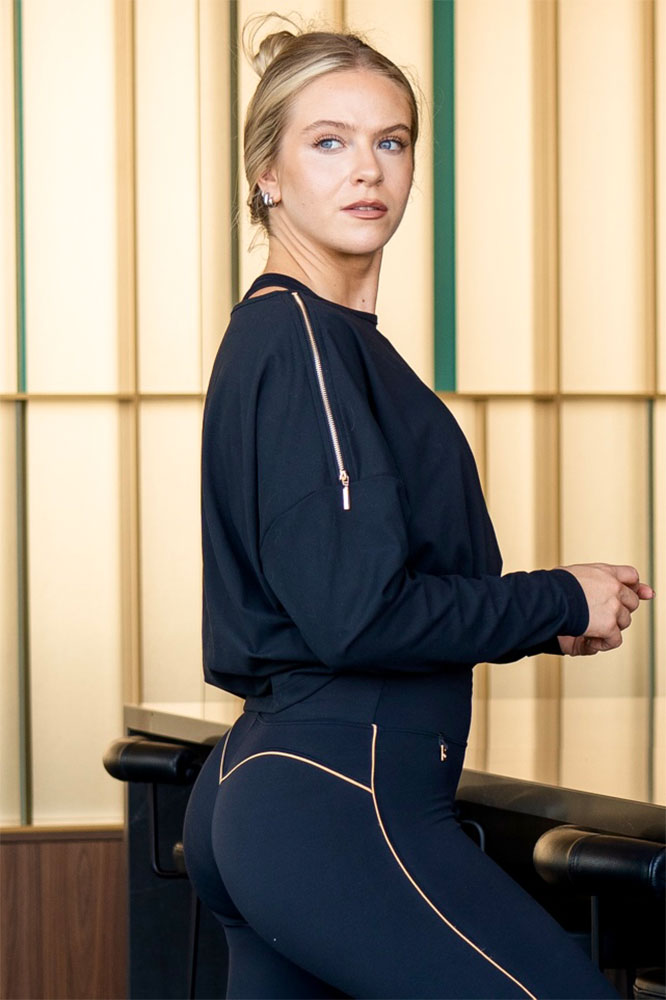
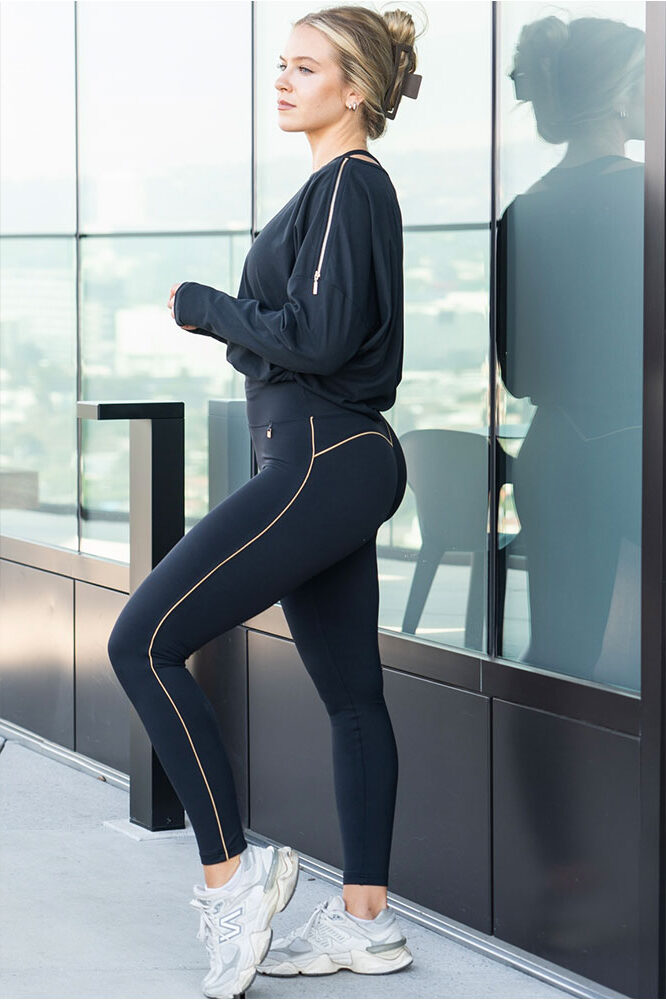
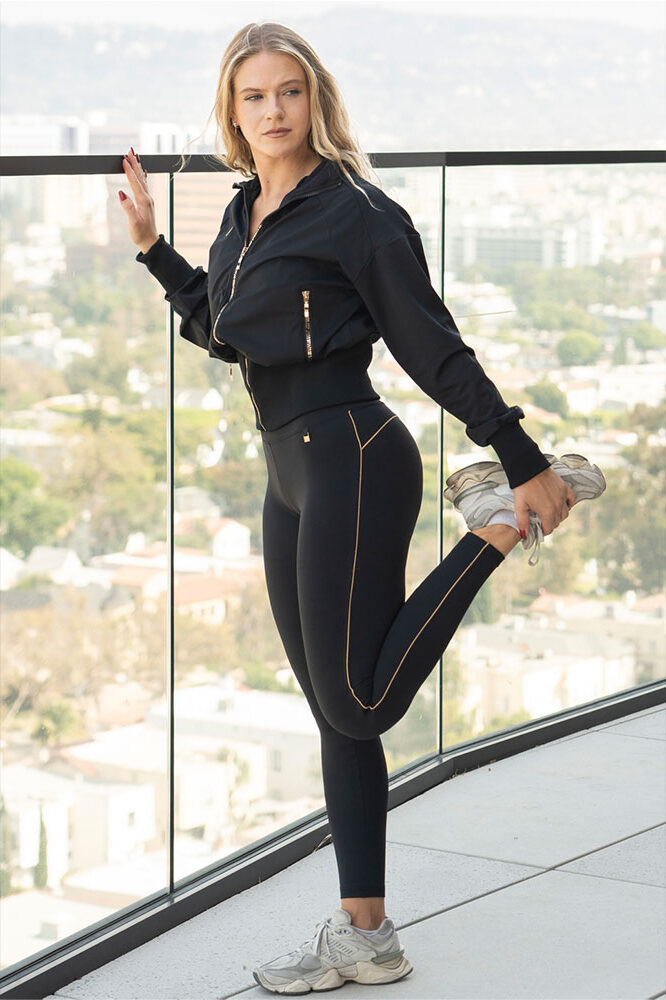
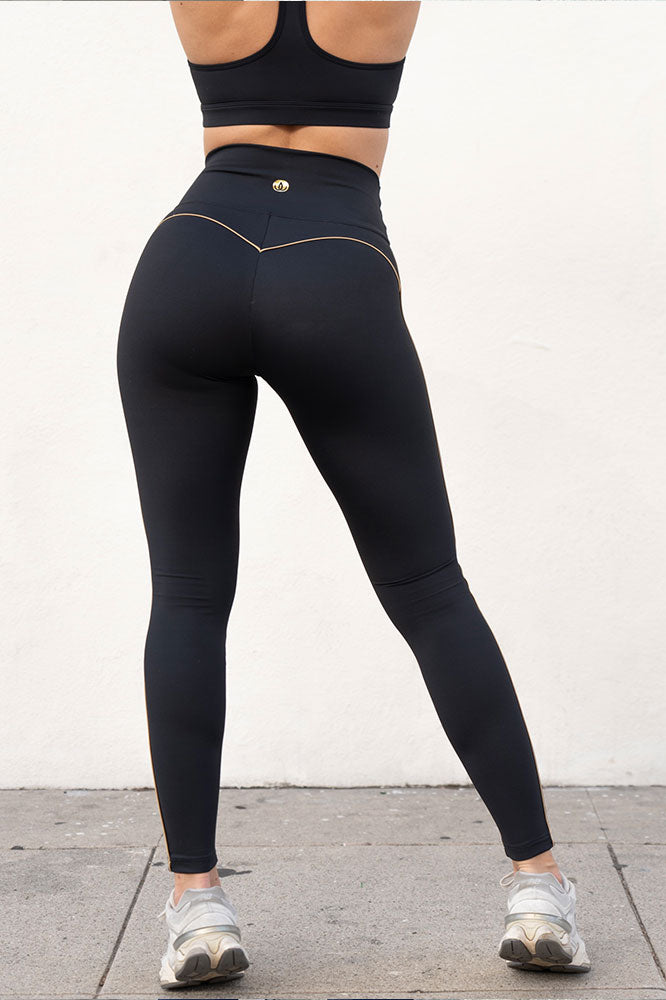
The decisive phase is the design. Material choice, pattern construction, sewing and details have to work together. A high waist that holds its position, shaped side panels and seams placed to lift the silhouette are not just aesthetics. They make the piece feel relevant on more occasions, and then it gets worn.
That applies especially to sculpting leggings. Sculpting is a design choice where lines, panels and construction create a defined silhouette without limiting movement. When the leggings sit securely from the first rep to the walk home, the need for several pairs for the same thing shrinks.
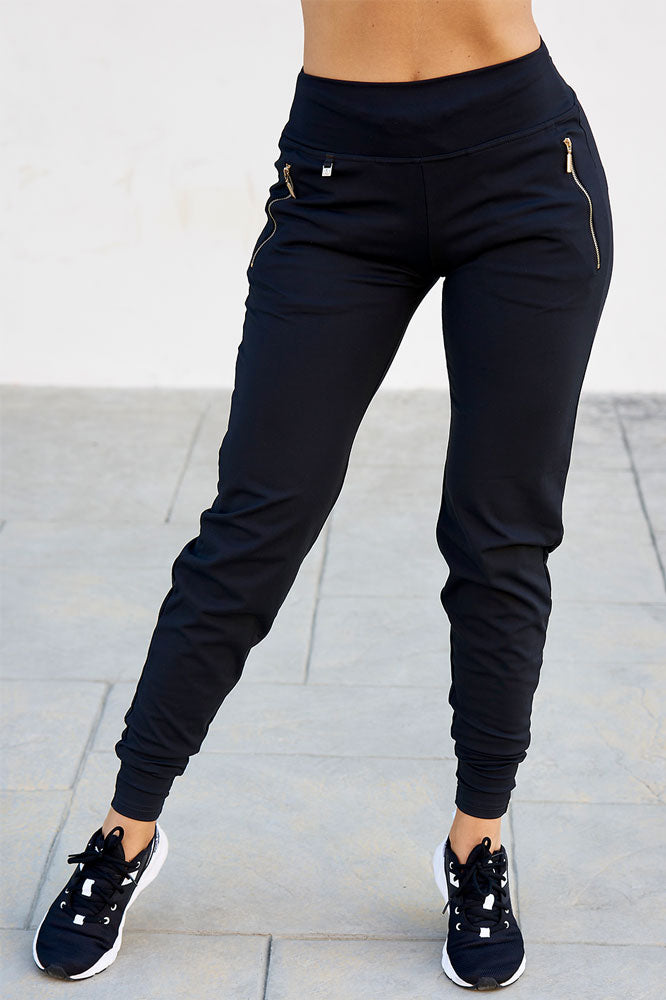
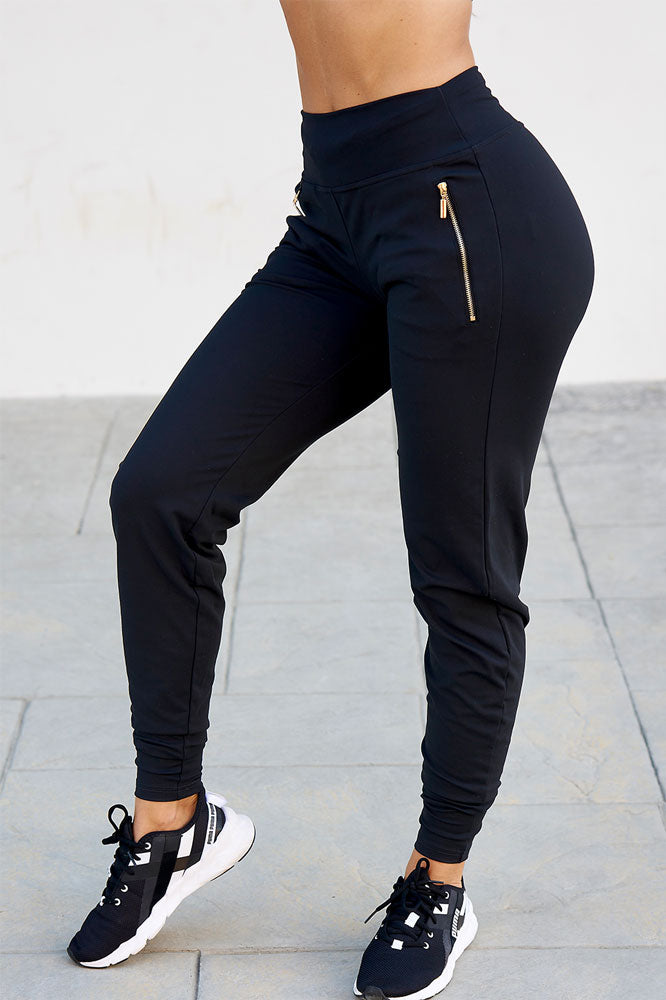
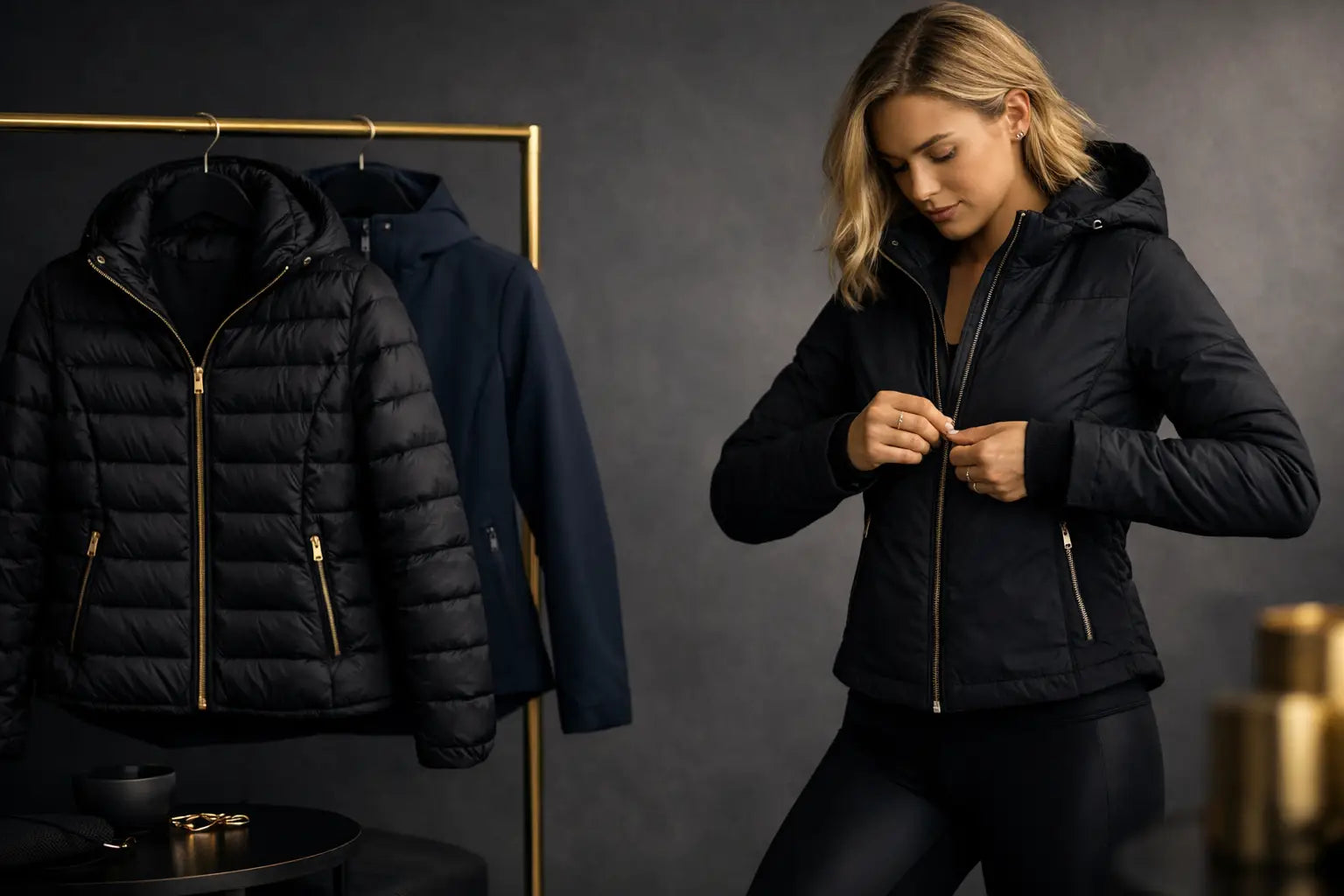
Durable design also means leaving out what adds no function. A zip on a training jacket should run smoothly and last for years. A waistband should be built to follow the body, not roll or lose its tension. Small decisions in development decide whether a piece gets a long life.
Recycled material with the right demands on function
Recycled materials reduce the need for new resources and give existing fibres a longer cycle. Activewear at the same time makes high demands: the fabric has to be supple, recover after movement, wick moisture and feel the same wash after wash. A better starting point for the material is not enough. It also has to perform every day.
Several of our pieces are sewn in ECO Circle, a polyester that is mostly recycled, among them in the Edge collection and Goldline. We state it on every piece where it applies, and nowhere else. A piece we cannot verify does not get the claim.
There is a balance worth knowing. Activewear is often a blend of fibres, because stretch, support and durability need different properties. Blends are harder to recycle than pieces in a single fibre. At the same time, a piece with the right stretch and a long life of use is a better choice than a simpler piece that needs replacing quickly.
Two questions before buying: Will you wear it often? Does it handle the activity you actually do? For some the answer is a sculpting set for the gym and everyday. For others a training jacket that becomes the natural layer between home, car and workday. Circularity works best when the function of the piece matches the life it is to be worn in.
Fewer pieces, more wears
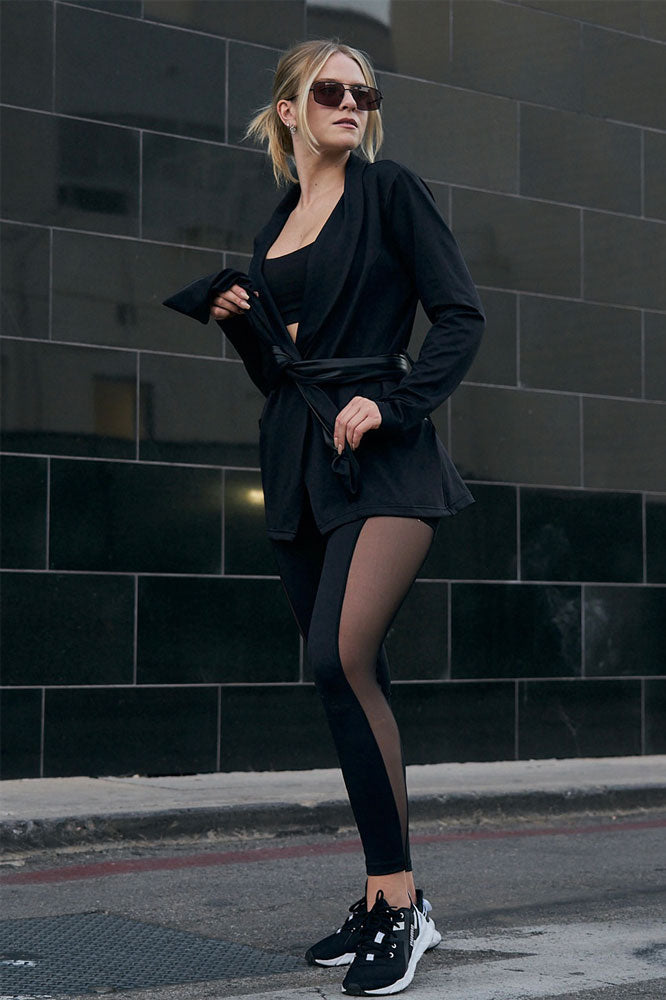
A wardrobe with clear combinations is easier to use and easier to keep. Matching sets give a coherent look, but the parts should also work on their own. Leggings with a clean silhouette are worn with an oversized shirt or a knitted jumper. A sculpting training jacket becomes a well-dressed outer layer with jeans, soft trousers or a travel kit.
That is where the line between activewear and everyday clothes gets interesting. A piece that only works during a certain session has a narrow use. A piece with athletic precision and pared-back design follows through more of the day: the morning walk, between meetings, on the plane, on holiday, at home when comfort should still look dressed.
Buying fewer and more considered pieces does not mean every need looks the same. Running, pilates, strength and travel make different demands. One person prioritises compression and stability, another a soft feel and layering. What matters is choosing with intent, instead of collecting pieces that compete for the same use.
How activewear gets a longer life
Circular activewear continues after the purchase. Elastic materials do better with gentle washing than with high temperatures and tumble drying. Wash when needed, follow the care label and turn the piece inside out. That protects the surface and reduces wear from zips and velcro in the same machine.
Skip fabric softener on performance materials. It settles on the fibres and changes how the fabric feels over time. Let the pieces air dry. It is gentler on the elastane, uses less energy and helps leggings, tops and jackets keep their shape. More on that in the guide to washing leggings.
Storage matters too. Do not leave damp activewear squashed in the bag after the session. Hang it up straight away and look at the details before they become problems. A loose thread, a zip that starts to catch or a seam that needs reinforcing is easier to fix early.
When a piece no longer suits your style or your needs, it is not finished. Sell it on, give it away or pass it to someone who will wear it. A well-kept piece with its function intact has value beyond your wardrobe. That is part of the cycle: the time of use continues when the owner changes.
Design that makes it easier to choose for the long term
Premium is not buying more. It is being able to expect precision in the pieces that earn a place. A fit that sits close to the body without disturbing, panels that follow movement and materials that feel considered give a piece the conditions to become a favourite.
We start from that idea in all our activewear, designed in Stockholm: Scandinavian sense of form, recycled material where it is verified and construction for the female body in motion. When the design is clear it does not need to be explained with excessive details. It shows in how the leggings hold their place, how the jacket shapes the whole and how the set works far outside the gym.
A long-term choice requires no finished wardrobe. Start with the next piece you actually need. Choose a silhouette you return to, a quality you want to care for and a function that suits your rhythm. When activewear gets to follow life instead of a short trend, circularity becomes concrete: pieces that keep holding, shaping and being worn.

Leave a comment
This site is protected by hCaptcha and the hCaptcha Privacy Policy and Terms of Service apply.