




How to care for recycled activewear: the routine that keeps the fit
A pair of sculpting tights that still hold their shape after fifty washes. A training jacket that looks as sharp in November as it did in March. How to care for recycled activewear comes down to small, recurring choices: when you wash, what you wash with and how you let the garment dry.
Recycled polyester behaves like polyester. It takes movement, sweat and long days. What wears a garment down is rarely the training. It is the heat in the machine, the dose of detergent and the hours it spends crumpled up in a bag.
Why does recycled activewear need a routine of its own?
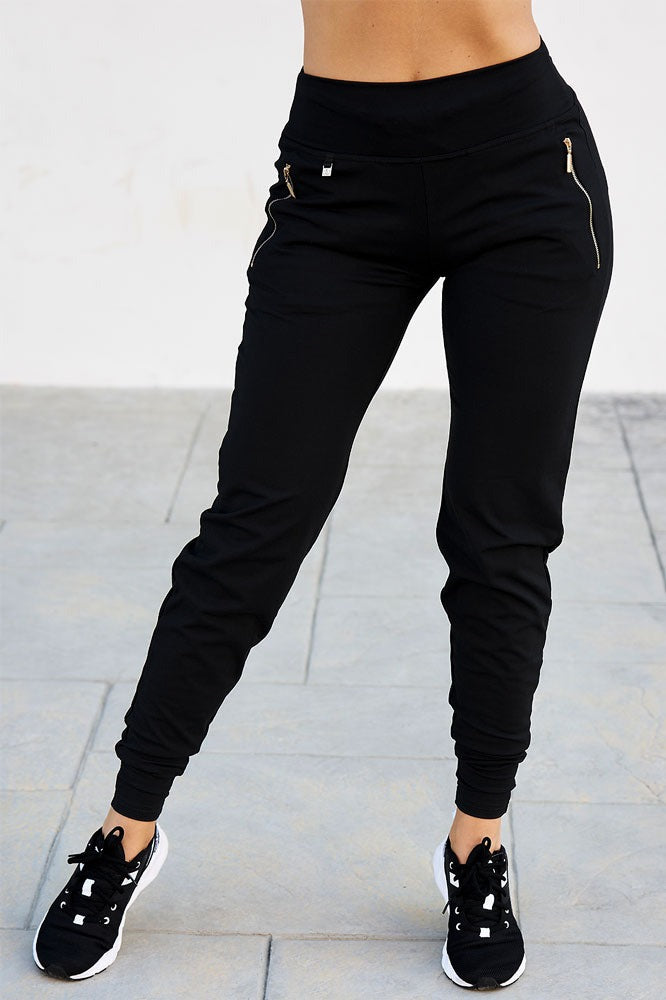
A performance garment is rarely one material. It is a blend. Slimline Sculpting Leggings are 73 per cent recycled ECO Circle polyester and 27 per cent elastane. The polyester carries the surface and the drying time. The elastane carries the recovery: the ability to return to its own shape when you rise out of a squat.
Elastane is the sensitive part. It is what loses spring in high heat, and it is what decides whether the high waist still sits right in two years. A routine that spares the elastane spares the whole garment.
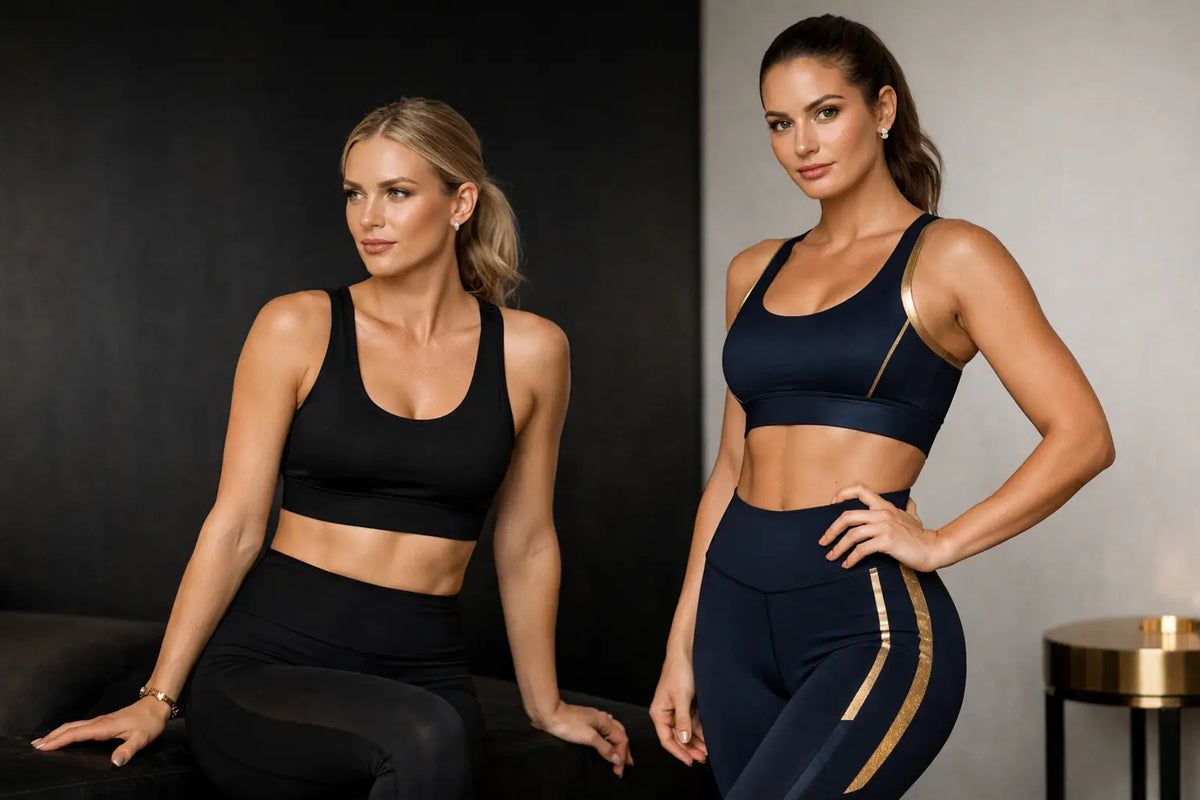
The same goes for the surface. Goldline Black Sculpting Tights have the same blend, the same high shaped waist and are squat proof. Whether that feeling survives wash after wash depends on how the garment is treated between sessions.
What do you do straight after training?
You take the garment out of your bag. That is the whole step, and it makes the biggest difference.
Moisture shut inside a close-fitting fabric overnight leaves an odour that stays long after the wash. Hang the garment somewhere airy instead, inside out. After a calm session or a day in Studio and everyday, airing is enough. After a hard session, you wash.
How do you wash without wearing down the fabric?
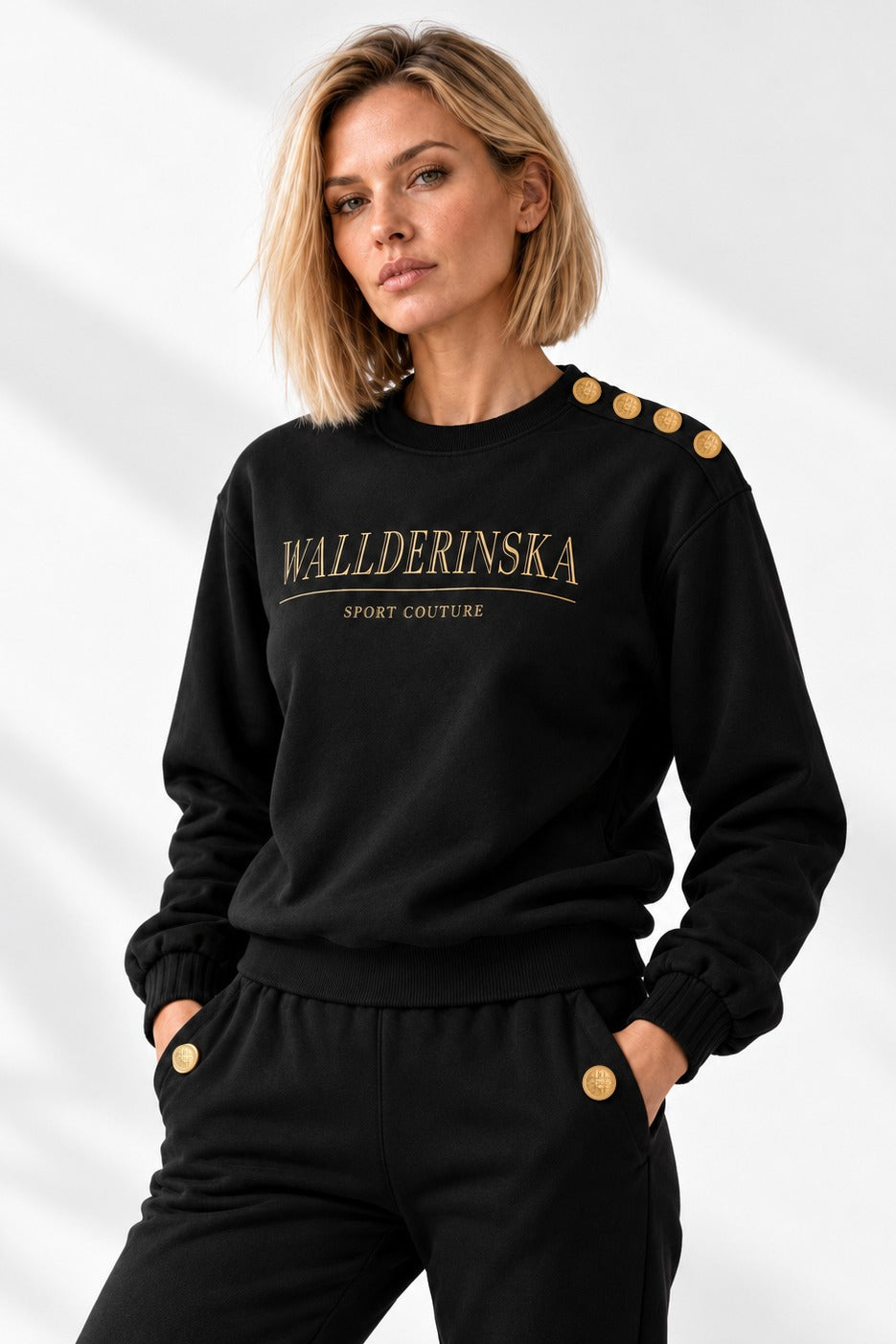
Turn the garment inside out. The outside is the one you see, and it is the one that meets zips, hook and loop fastenings and friction in the drum. Put tights and tops in a wash bag. Close every zip, including the gold-coloured half zip on the Edge Half Zip Sweatshirt, whose own care instructions call for inside out, a wash bag, a maximum of 40 degrees and drying on a hanger.
Always follow the garment label. It beats every general recommendation, this text included. Where the label says nothing else, a delicate programme at a low temperature is a safe choice.
Use liquid detergent sparingly. An overdose is rarely rinsed out completely and settles as a film that leaves the fabric stiff and greyer in tone. Fabric softener has no place here at all: it closes the fibre and takes away the very moisture transport you paid for. Bleach does the same damage, faster.
Wash activewear on its own. Towels and denim create lint and friction. If you want a colour to stay even over time, wash the whole set together, for example tights and jacket from Edge.
Should the garment go in the tumble dryer?
No. The tumble dryer is the machine that costs the most fit. Heat breaks down the recovery in the elastane, and tights that have lost their recovery slide down. They do not break. They simply stop doing their job.
Air dry instead. Fold heavy, wet tights over a drying rack rather than hanging them on a narrow hanger, so the weight is spread instead of pulling at the waistband. Jackets and sweaters hang well, but not on a radiator and not in direct sun. Direct heat is not faster care, only harder care.
Pull seams and edges straight with your hand while the fabric is still damp. Around a high waist, cuffs and zip panels the material then settles flat on its own, and the iron stays in the cupboard.
What do you do when the smell lingers?
An odour that returns as soon as the garment warms up is more often detergent residue than dirt. Run a wash without fabric softener at half your usual dose, and let the garment air dry completely before you judge the result.
If the smell stays, a detergent made for sports and performance fabrics is the next step. Be careful with home remedies. Vinegar and bicarbonate of soda come up often, but the effect depends on the blend, and a detail such as a metal logo or a mesh panel reacts differently from the fabric itself.
Treat stains early and gently. Spot treat with a mild product, let it work, then wash as usual. Do not rub hard on smooth surfaces or across prints.
How do you store your pieces between sessions?
Dry, and without hanging under tension. Fold tights and sets on a shelf rather than leaving them on a hanger month after month: the hanger pulls at shoulders and waistbands, and the knees end up stretched.
Pieces with structure and a zip are better off hanging, with the zip closed so the line is kept. That applies to the Edge Black Training Jacket as much as to the rest of the training jackets.
Storage is also a way to wash less. A garment worn on a walk needs air, not a machine. Fewer and more considered washes extend its life more than any detergent does.
Which mistakes cost the most?
Three of them, in this order: the tumble dryer, the fabric softener and the overdose. All three feel harmless in the moment and only show six months later, when the fit is no longer the same.
A fourth is treating every piece alike. Edge Mesh Leggings with Pockets have silky mesh panels and a small metal logo at the front. Details like these want a wash bag and low heat, even when the rest of the load takes more.
If you want the wash step by step, read how to wash training tights without wearing them down, and the materials behind the pieces in sustainable materials in sportswear.
A garment made with precision deserves a routine with the same precision. Cared for that way, it holds its shape longer than the trend it was bought in.
Anything but ordinary.

Leave a comment
This site is protected by hCaptcha and the hCaptcha Privacy Policy and Terms of Service apply.